

Publicis Groupe grew organic revenue, an important measure of agency health, 5.9% year over year to 3.87 billion euros, or about $4.57 billion, in Q4 2025, according to an earnings statement. Those figures topped analyst estimates but landed below the year-ago period, when Q4 organic growth came out at 6.3%.
Full-year organic growth came in at 5.6% YoY at the ad-holding group, which is celebrating its centennial and owns agencies including Digitas, Saatchi & Saatchi and Leo. Publicis attributed its performance to superiority in areas like artificial intelligence, but executives acknowledged some of the roadblocks in realizing the full potential of the notoriously costly technology.
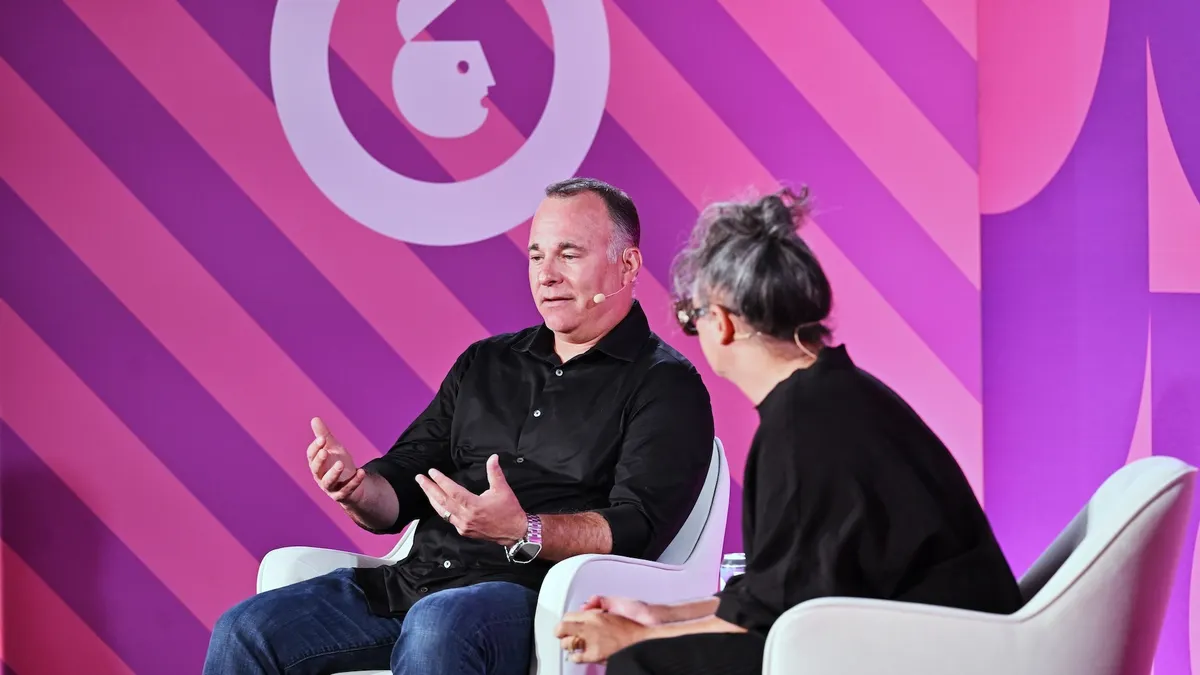
“Now as we enter our next century, we will go even further in prioritizing transformative growth over legacy asset restructuring,” said CEO Arthur Sadoun on a call discussing the Q4 and full-year results with investors. “In this booming AI world, our ambition is to be the MVP. In this case, not the most valuable player, but the most valuable partner for our clients, our people and our shareholders.”
Last year saw the group score several major accounts, including The Coca-Cola Company’s North American media and data business and media duties for Mars. Publicis’ net-new business across 2025 totaled more than $8 billion while the agency suffered no “material” account losses, according to Sadoun.
AI-supported creative and media functions account for more than 85% of Publicis’ net revenue. Creative, which made up roughly a quarter of 2025 revenue, saw fewer cuts in the traditional advertising arena than anticipated for the end-of-year period that includes the holidays, Sadoun added. Growth at the firm’s Sapient consulting arm was roughly flat as clients remained cautious with spending due to the economy.
Sadoun noted that AI, despite being positioned as revolutionary for advertising, is “difficult to scale, expensive to put in place and fails to deliver measurable value in 95% of cases.” Publicis is leaning on assets like Sapient and its Epsilon data-marketing unit to accelerate the pace of change in the category and improve Publicis’ standing as a transformation partner.
“To cut the long story short, consumer adoption of AI is better and faster than company adoption,” said Sadoun.
Publicis offered 2026 guidance in the range of 4% to 5%, the same growth targets it set in 2024 and 2025. Shares traded lower following the earnings report. The company plans to remain acquisitive in areas including AI, identity resolution, new media channels, production and business transformation following purchases of companies like Lotame and Captiv8 last year.
The Paris-based group is contending not only with fast media and technology changes, but also a shifting agency landscape in the wake of Omnicom’s blockbuster acquisition of Interpublic Group. The $13 billion-plus deal formed the world’s largest marketing services provider and set the stage for further category consolidation as scale becomes the name of the game.
“I think that Omnicom is definitely a strong player, it was before this acquisition,” said Sadoun in response to an investor question. “The big difference between Omnicom and us is that we are investing in new capabilities that can help our clients grow in this AI world. They are consolidating more of the same.”