
Social media leaders are expected to know what is happening everywhere, all the time, and to have a point of view on what to do about it. But most social tools were built to monitor and measure. They report what happened. They rarely explain what it means.
That gap is where real opportunity sits. Across the brands we analyze each week, the most useful findings are rarely the biggest numbers. More often they are the shifts underneath them.
Here are five that marketing teams should be paying attention to.
1. Culture: Polished content is out, raw chemistry is in
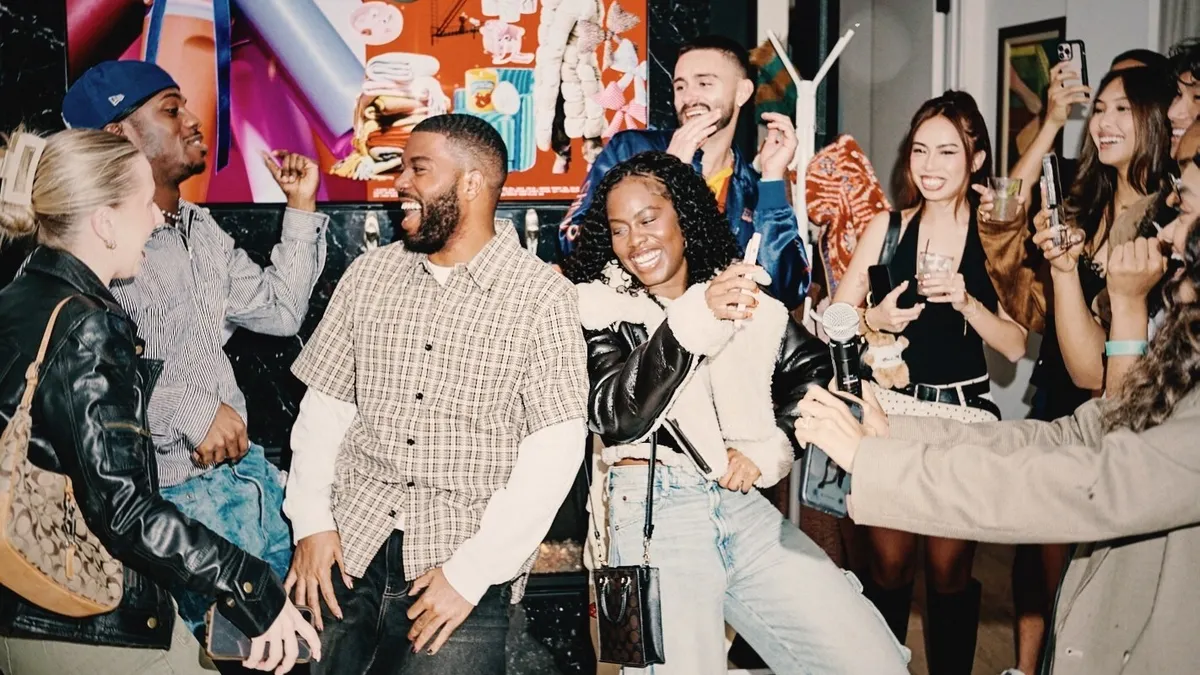
Audiences are tiring of hyper-polished, solo "it-girl" glamour and gravitating toward content that feels like friends in a room. A candid carousel recapping a New York Fashion Week party reached nearly 740,000 accounts and drew more than 21,000 engagements, outperforming standard step-and-repeat coverage.
The action: Retire the solo interview. Try conversations and group chats where co-hosts or friends interview each other. Lightly produced and unscripted. Shift production focus from rigid scripts to creating environments that foster authentic interpersonal dynamics and natural conversational flow.
2. Brand: Everyday moments build brand trust
For one consumer tech brand, the most powerful emotional anchor was not a feature. It was relief from small, familiar anxieties: a dying battery, a package that might arrive while you are offline. Humorous, relatable posts about those moments drove strong reach and shares on Instagram and Facebook.
The action: Build bite-sized, highly visual scenarios that show the product solving an everyday problem. Focusing messaging on specific, common friction points rather than broad feature lists quickly builds emotional resonance and everyday relevance with your audience.
3. Channel: Stop treating Stories as syndicated streams
Many brands treat Stories as a place to repost the grid. But more often, short form content, like Instagram Stories, acts as a high-intent conversion powerhouse, generating massive click-through rates that can surpass follower reach.
The action: Rather than treating Stories as a secondary syndication feed, start treating them as optimized, high-velocity checkout funnels. Consider story-only offers and unique promo codes that turn intent into sales you can attribute, and design ephemeral content tailored for rapid action with clear, direct calls-to-action.
4. Creative: Talk like the internet
Relatable humor and conversational copywriting significantly outperform traditional feature-benefit structures in driving post engagement and click-through actions. We’re seeing meme-style copy ("My package: out for delivery / Me: I'm gonna be offline...") consistently outperforming feature-and-benefit announcements.
The action: Write the first three seconds of a Reel the way people actually post, using script-style overlays, familiar phrasing and emoji cues. Adopt native platform vernacular and visual formats to capture scroll attention and increase viewer retention.
5. Product: Features without context read as gimmicks
Communities are starting to exhibit strong skepticism around highly marketed aesthetic features. For one technology brand, this was showing up in cases where customers felt basics were unaddressed: camera quality, software availability, stability. Sentiment scores alone would have missed the credibility gap.
The action: Show features in real-world moments where they are useful, not in isolated product shots. Frame product capabilities within everyday consumer workflows or challenges to demonstrate tangible value and maintain brand credibility.
What cultural AI looks like in practice: Manscaped
Manscaped, the men's grooming brand, built a following by being very good at one kind of humor. But as the brand looked to expand into face and beard care, it needed to adapt its comedic approach to resonate beyond its below-the-waist roots.
Rather than doubling down, the team used cultural AI to find its voice by watching audience signals and how they responded to new creative. That surfaced new creator partners, including two University of Southern California student filmmakers who helped create one of the brand’s most viral pieces of content to date. It also helped validate the creative concept behind the brand's fall 2025 "Send Face Pics Instead" campaign, which contributed to Manscaped’s broader efforts to expand its reach and become the #3 brand in the U.S. Total Electric Shave Market.
All because cultural AI delivered rapid insights in a form leadership could confidently act on. The brand’s social director described it as "a quick postcard brief to make your point on why we need to act on something and to get the social teams heard."
The takeaway for brand leaders
None of these signals required more data. They required context: what is changing, why people are responding and what to do next. That’s what happens when you stop tracking the signals and start reading the room.