The following is a guest piece written by Robert Passikoff, founder and president of Brand Keys. Opinions are the author’s own.
As America approaches its 250th anniversary, it may be a good time for marketers to reconsider their penchant for leaning on traditional patriotic imagery during major holidays and national celebrations. Because, for consumers, patriotism is less about waving the flag and more about embodying values consumers associate with American identity, according to the latest Most Patriotic Brands study from Brand Keys.
With consumers ready to reward brands they perceive as authentically connected to the American experience, symbolic marketing alone may not be enough. Too often, patriotism is treated as a marketing tactic rather than a brand value. The distinction matters. While patriotic-themed campaigns may generate attention, the study suggests consumers reserve genuine patriotic status for brands that have earned a place in America's cultural narrative. Those are the brands that are better positioned to earn consumers’ loyalty, trust and stronger emotional attachment.
Brand Keys’ 25th annual Most Patriotic Brands survey evaluated 1,200 brands across 120 categories.
The new meaning of ‘patriotic brand’
Historically, marketers often equated patriotism with domestic manufacturing or American ownership. But in 2026, survey respondents showed they define patriotic brands through a much broader lens, with patriotism functioning less as a product attribute and more as a brand positioning strategy.
The research identified nine distinct dimensions of American identity that influence patriotic perceptions. Some brands derive patriotic equity from heritage. Others gain it through innovation, media influence, sports affiliations or simply by becoming indispensable parts of everyday life.
The implication for marketers is significant: Patriotism is no longer tied to where a product is made or even how (or how much) it’s marketed. It's increasingly tied to what a brand represents and how the brand is, well, branded.
Heritage still matters
Brands like Jeep, Ford, Levi Strauss and Harley-Davidson benefit from deep historical associations with American growth, mobility and industry. Their patriotic value comes not from messaging campaigns but from decades of accumulated cultural meaning. This could be why they make up the largest segment (18%) identified by Brand Keys, a group we’ve labeled Foundational American Heritage Brands.
For marketers, the lesson is clear: Heritage can be one of the most powerful branding assets when it is continuously reinforced and connected to contemporary relevance.
Lifestyle branding sells the American dream
The second-largest segment (13%) includes Lifestyle & Cultural Mythology Brands such as Coca-Cola, Disney, Ralph Lauren and Nike. These brands have become symbols of American aspiration and self-expression. Their patriotic appeal stems from representing ideals consumers associate with the country itself; optimism, opportunity, achievement and reinvention.
Notably, many of these brands operate globally, suggesting that patriotic brand perceptions are not diminished by international reach. In fact, global success may reinforce perceptions of American leadership and influence.
The patriotism of everyday utility
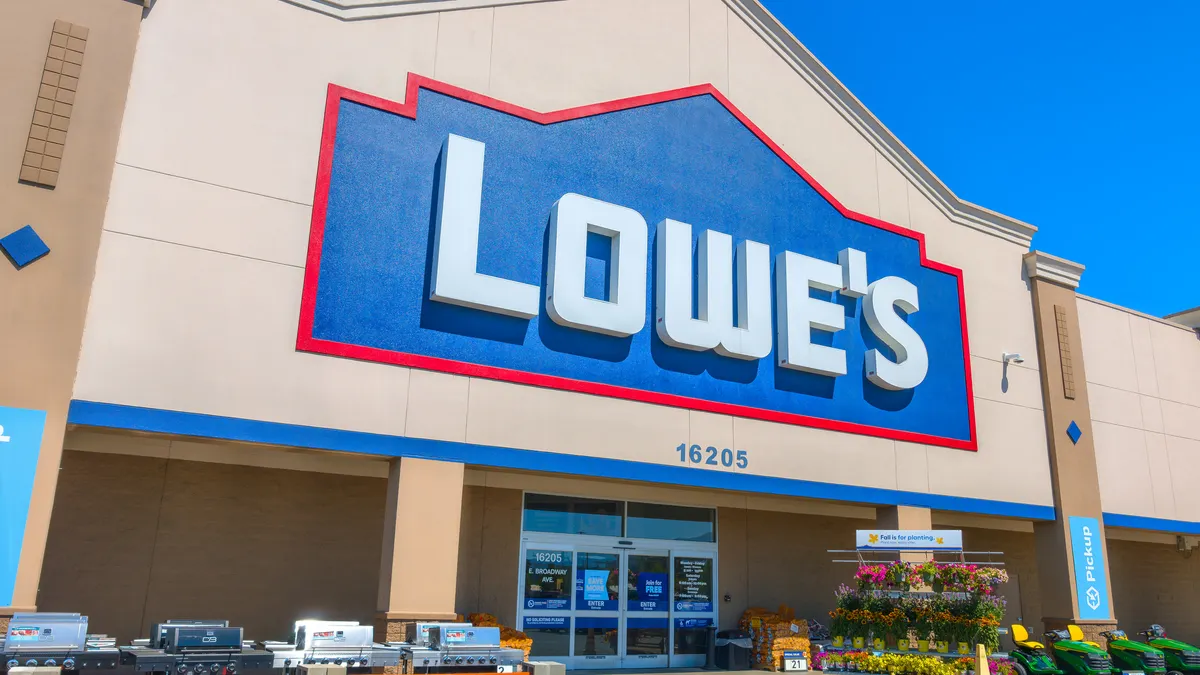
One of the more revealing findings is the strength of Everyday Life Brands (12%). Companies such as Walmart, Amazon, McDonald's and Campbell's earned patriotic recognition because consumers see them as deeply woven into daily American life.
For marketers, this highlights an often-overlooked source of brand equity: ubiquity. Brands that become part of household routines can accumulate cultural significance that extends far beyond their products. In this sense, patriotism can emerge from familiarity as much as from symbolism.
Sports, media and community matter more than ever
The study also underscores the role of institutions that shape collective experiences. Sports organizations such as the Dallas Cowboys and New York Yankees were recognized not merely as entertainment brands but as symbols of civic identity, family tradition and community pride.
Similarly, media brands, including Fox News, The New York Times and The New York Post, earned patriotic recognition despite often polarizing audiences. This finding may surprise marketers accustomed to viewing patriotism through the lens of consensus. The research suggests consumers can disagree with a brand's perspective while still perceiving it as fundamentally American. For brands seeking cultural relevance, participation in shared national conversations may be more important than universal approval.
Innovation becomes a patriotic signal
Perhaps the most notable shift in this year's rankings is the emergence of innovation as a driver of patriotic perception. Brands such as Apple, Microsoft, ChatGPT and Netflix were recognized for representing American leadership in technology, entertainment and global influence, which reflects a broader evolution in how consumers define national pride. Increasingly, innovation itself is viewed as an expression of American identity.
For technology and media marketers, the finding suggests that category leadership and cultural impact can generate patriotic equity even when manufacturing and operations are global.
Branding beats marketing
The most important takeaway from the study may be what it says about the difference between branding and marketing. According to the study, patriotic perception creates measurable business advantages, including stronger emotional connections, greater trust, increased loyalty and improved long-term profitability. In other words, patriotism behaves less like a campaign outcome and more like a strategic brand asset. Patriotism isn't just a cultural value; it's a business driver, and one of the clearest examples of branding outperforming marketing.
As brands prepare for America's semiquincentennial celebrations, the temptation will be to increase patriotic messaging but the findings suggest a more effective approach may be to strengthen brand values, stories and cultural roles that consumers already associate with authentic American identity.
The brands consumers view as most patriotic didn't earn that status through holiday promotions.They earned it through decades of consistently representing something larger than the products they sell.