


The holidays are typically make-or-break for retailers on the sales front. For Target and Walmart, this season will also test efforts to refine and redefine their respective brand images as they compete for price-sensitive shoppers.
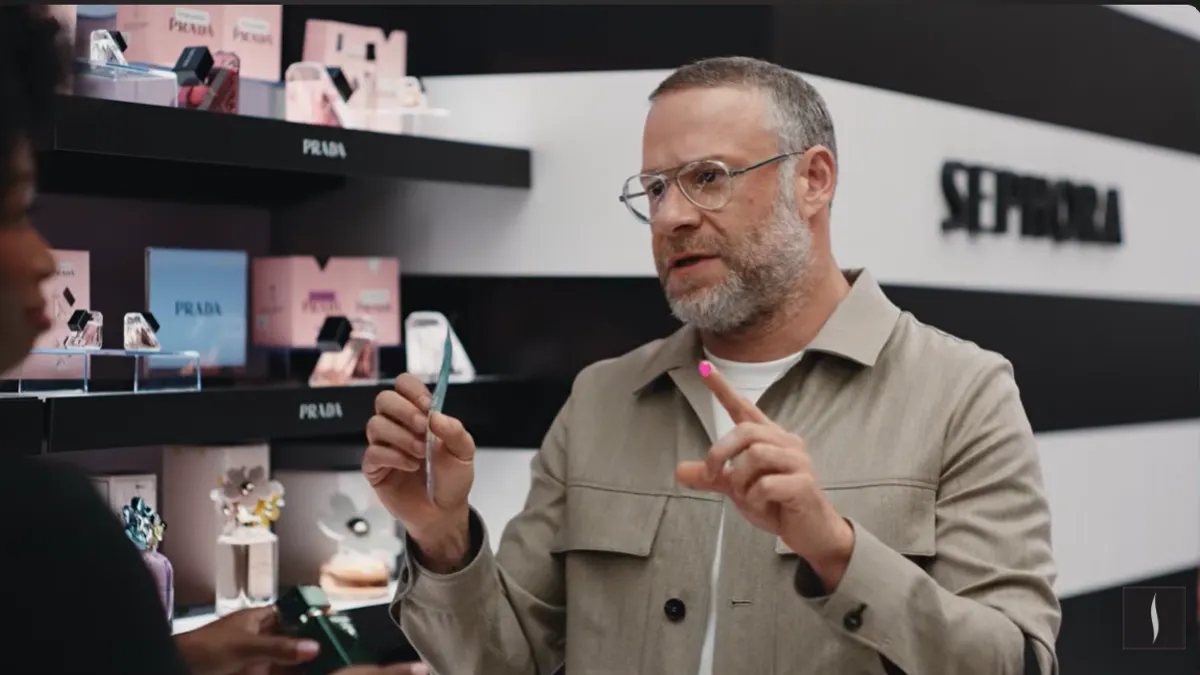
Walmart for the past year and a half has been building out a “Who Knew?” platform designed to shift consumer perceptions, highlighting a more on-trend assortment and better deals than people might expect. The concept comes to life for the holidays with a riff on “The Muppet Christmas Carol” starring Walton Goggins as Ebenzer Scrooge and a cast of Muppets including Kermit the Frog and Miss Piggy.
Target meanwhile is trying to sustain momentum for a turnaround strategy aimed at recapturing its “Tar-zhay” magic — a cheap-but-chic allure that was diluted during the bumpy post-pandemic years, when the brand got bogged down in culture wars backlash and lackluster store presentation. Performance has been on the upswing so far in 2026 following a CEO transition, but the holidays will be the real proving ground for Target, analysts say. Its campaign is anchored on a gifting academy for helping customers find the perfect present for different people in their life, with the institution led by a wise-cracking expert played by D’Arcy Carden.
“For Target, they’re really trying to reassert their difference,” said Taylre Stumpf, a retail consultant at Kantar who specializes in Target and mass channel retailers. “Walmart's is more of that nostalgia, that reappraisal: ‘You know us, but now see us differently.’”
Heated rivalry
The two campaigns carry similarities, chiefly in the form of storytelling that uses colorful characters and a fictional setting to tout features like product assortment and speedy delivery. The retailers in the past took a more fragmented approach to their holiday marketing to capitalize on specific seasonal moments like Black Friday, but a single narrative provides a greater sense of consistency for consumers. It could also be a way to differentiate in a category that has overskewed toward a deals and promotions focus amid persistent inflation.
“Rather than shouting price, they're shouting that storyline of, trust us, [we have] the best gifts,” said Stumpf.
Walmart’s “Who Knew?” is part of an evolution in the retailer’s strategy as it wins over higher-income shoppers and revamps segments like apparel. Miss Piggy will promote trendy fashion items for the holidays as part of “A Who Knew Carol,” as will content creators, Walmart CMO William White previously told Marketing Dive. The overall effect is that Walmart, in presentation and product focus, looks a bit more like Target, adding a new dimension to the competition between long-standing big-box rivals.
“The mass channel, which is Target and Walmart, they're both fighting for that same high income, still careful shopper, but using the same tools,” said Stumpf. “We just see value now as a type of table stakes, so both retailers now have to get creative on how to connect with each shopper.”
Walmart has over 4,600 brick-and-mortar stores in the U.S. while Target has fewer than half that. Walmart grew revenue 5.9% year over year to $187.9 billion in Q2 while U.S. comparable sales, an important measure of retailer health, were up 2.6% for the period. Target’s net sales were up 5.3% YoY to $26.5 billion in Q2 while comparable sales and traffic increased 3.8% and 3.6%, respectively. Target raised its full-year guidance around the Q2 earnings report in August.
“Walmart has definitely been giving Target a run for their money,” said Stumpf. “I think the last several years of Target underperforming, Walmart has taken advantage of that and has done very well.”
Finding an advantage
Target may be smaller than Walmart, but it has strengths in areas like personalization where it will need to double down to win in Q4, according to Stumpf. Target succeeds in connecting popular online items into an in-store presence and is tuned into the tastes of a specific type of millennial shopper, Stumpf explained. The “Holiday Academy of Giftology” campaign illustrates this approach through different departments and faculty members specializing in toys and gifts for people who claim they don’t want anything.
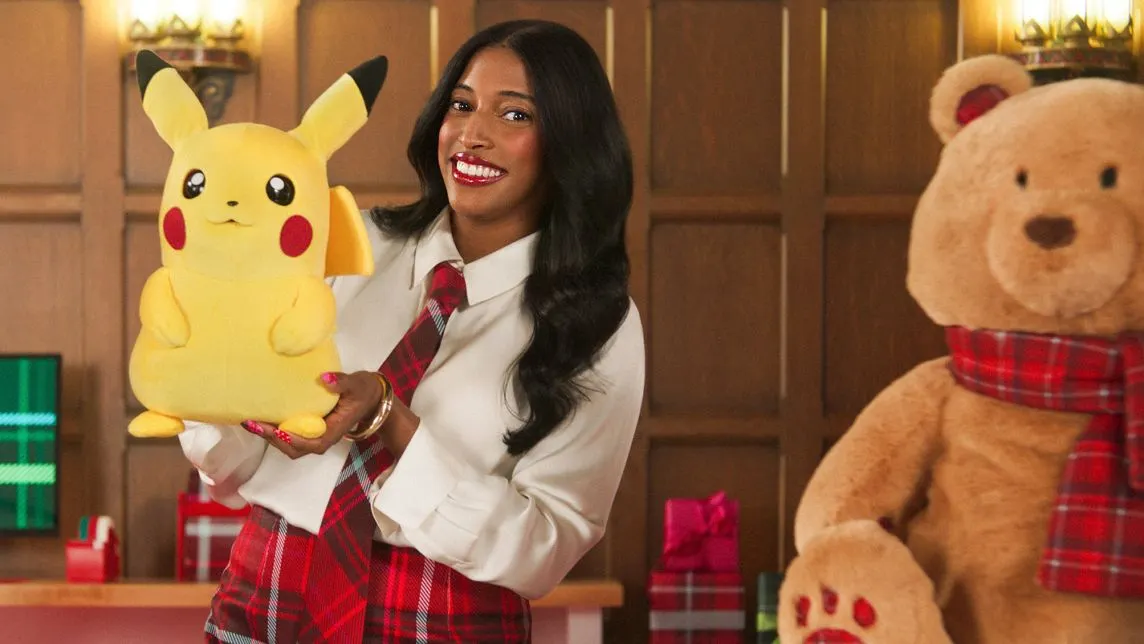
“It uses a construct of education and curriculum to come up with new ways to solve some of those typical holiday gifting problems that we all experience,” Target Chief Brand Officer Michelle Mesenburg said at a holiday preview event for press in October.
Consumers could be more selective during the holidays this year due to macroeconomic stresses. Outlooks for the holidays are mixed: While Deloitte’s consumer surveys point to spending on retail goods remaining robust, Kantar ShopperScape data shared by Stumpf indicates 16% of shoppers are planning to spend less this year.
“Target knows it can't outprice Walmart. If Walmart's already trying to take pages out of its playbook with the storytelling … all Target really has left is personalization and curation for its shoppers,” said Stumpf.
Another potential advantage for Target is in omnichannel. Visual elements of its academy-themed ads are reflected in physical retail stores and online. Target earlier this year overhauled its creator programs to be more well-rounded. Its holiday plans leverage Club Target, which is targeted at smaller and mid-sized creators on platforms like TikTok, as well as an exclusive partnership with LTK centered on bigger-name influencers.
“Target is really the only retailer I'm seeing right now that does a great job of blending the whole unified experience through their different tiers of creators,” said Stumpf.