NEW YORK — Partnering with celebrities for seasonal campaigns is de rigueur for most fashion brands, with brand ambassadors showcasing apparel in high-gloss photography and ad campaigns. Free People saw its fall campaign in collaboration with multihyphenate Willow as an opportunity to go beyond the trappings of traditional campaigns to collaborate with and support the independent musician.
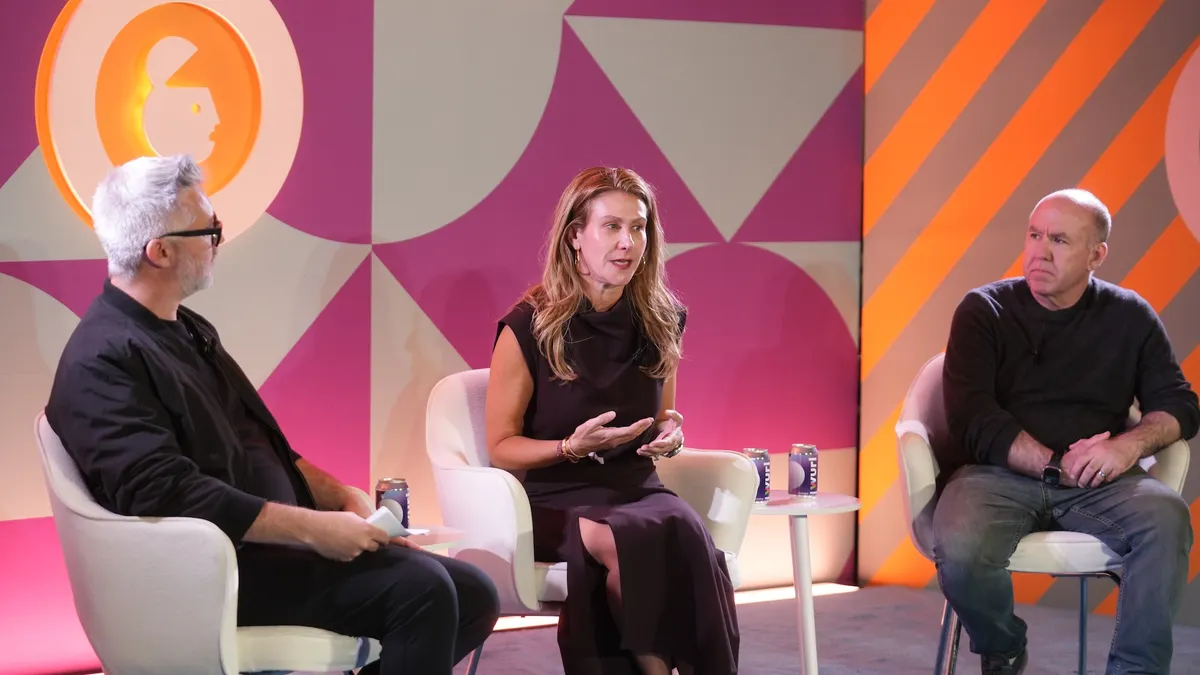
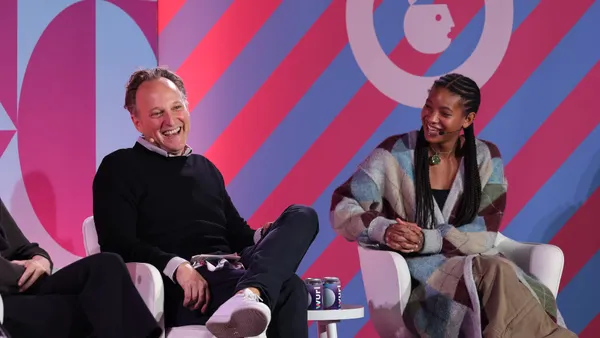
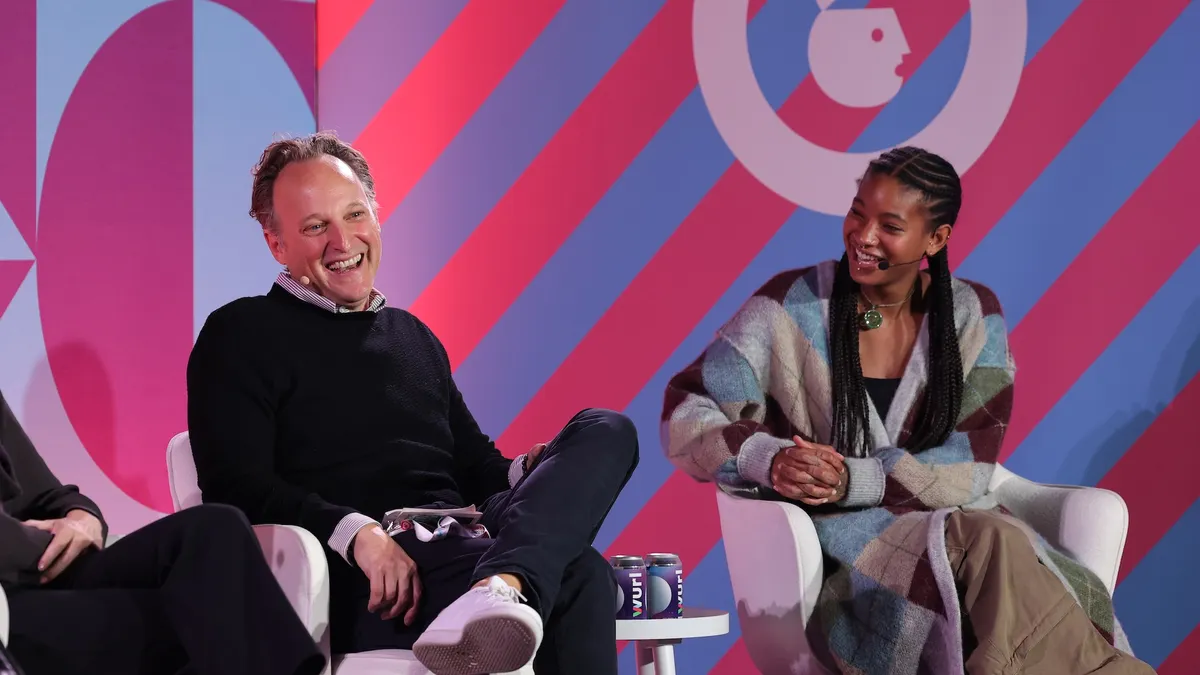
“Willow is an artist with a capital A, so the transactional deals that I think clutter a lot of the brand space weren’t something that we were interested in,” said United Talent Agency’s Samantha Tacón during an Oct. 7 panel at Advertising Week New York.
Instead, Willow and her team identified the Urban Outfitters-owned lifestyle brand — one of her favorites since she was nine years old, the artist said — and worked together on several elements that required Free People and CMO Jack Reynolds to cede control.
“It was nuanced. The position we had to take was less about giving something up and more about who we were giving it to, and that piece was important to us: to meet Willow, hear her creative vision, meet the team that she surrounds herself with, listen to the music,” Reynolds said during the panel. “If you give rigid, you get rigid… at some point, you just have to trust it.”
Cultural co-authorship
Without a traditional brief, Willow and Free People collaborated on a live performance video and a record release party, in addition to traditional campaign work. The video — complete with moss-covered floor, hanging vines and a boulder — is one of the artist’s favorite live performances, she explained on stage, but the partnership was out of her comfort zone, as well.
“I’ve been seeing the artistic evolution of Free People for so long that I knew that it was quality… but you're always taking a little bit of a risk,” Willow said. “If you're not taking a little bit of a risk, we're not moving forward or trying anything new.”
In an environment where artificial intelligence is accelerating algorithmic trends and changing consumer behaviors, brands are under even more pressure to stand out authentically. Many have recently turned to brand ambassadors and influencers to co-create campaigns and even products.
“Cultural co-authorship is where the future is headed, and I think that would be better for brands, but certainly for artists, because if brands want to reach their communities, trying to fit a square peg into a round hole doesn't always work,” Tacón said of the partnership.
Co-authorship allowed both sides to play to their strengths: Free People knows how to run a fall clothing campaign and Willow knows how to roll out an album. Once aligned on factors like tone and styling, Willow was free to execute a creative vision in which Free People could live naturally.
“I've been in this industry for a long time, and so I feel like I'm very sensitive to what my limits are,” Willow said. “There was a really good balance [with Free People] and I was actually surprised by how far I could spread my wings.”
More than money
That balance between brand and artist could help Free People engage with young consumers who crave authenticity, including fans of Willow, an African-American woman whose fans include Black girls who have not traditionally been the target of the bohemian brand, the artist explained.
“I feel like you're reaching a whole other group of people that probably wouldn't be looking [in] this direction. Not only art but marketing is all about that as well: reaching groups of people that maybe you wouldn't have reached before, and that's what I'm into as well,” Willow said. “I'm always trying to expand the ears of different kinds of people that maybe wouldn't listen to my music or maybe wouldn't consume my art, because it really is about creating a larger community.”
The collaboration with Free People and Willow has continued beyond the campaign, with the artist performing at the company’s Philadelphia headquarters on Oct. 8. While both parties declined to share future plans, the partnership will continue.
“We didn't want Willow to drift into the Free People world and then disappear. We didn't want Free People to live in her world briefly and then go unrecognized,” Reynolds said. “There isn't a defined start or end date.
For brands looking to collaborate with artists like Willow, the value of investment can’t be understated, Tacón explained. Starting financial conversations earlier in the process allows brand-artist relationships to yield more intentional, thoughtful outputs. But it isn’t all about money, Willow noted.
“Artists just want to be seen and respected for what they individually bring to the table, and I think they want to be supported not only financially, but through the ethos of the groups that we’re working with and the companies that we're connected to,” she said. “I'm not a product. I'm a human being, and I should be treated as such.”