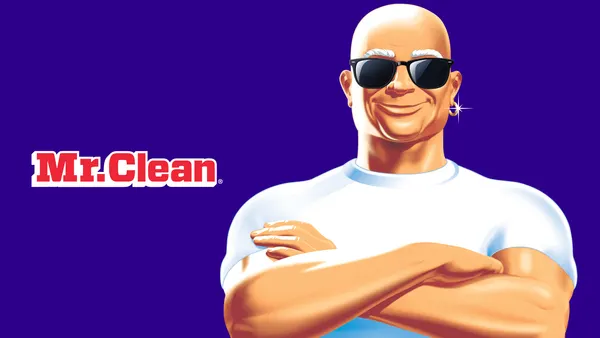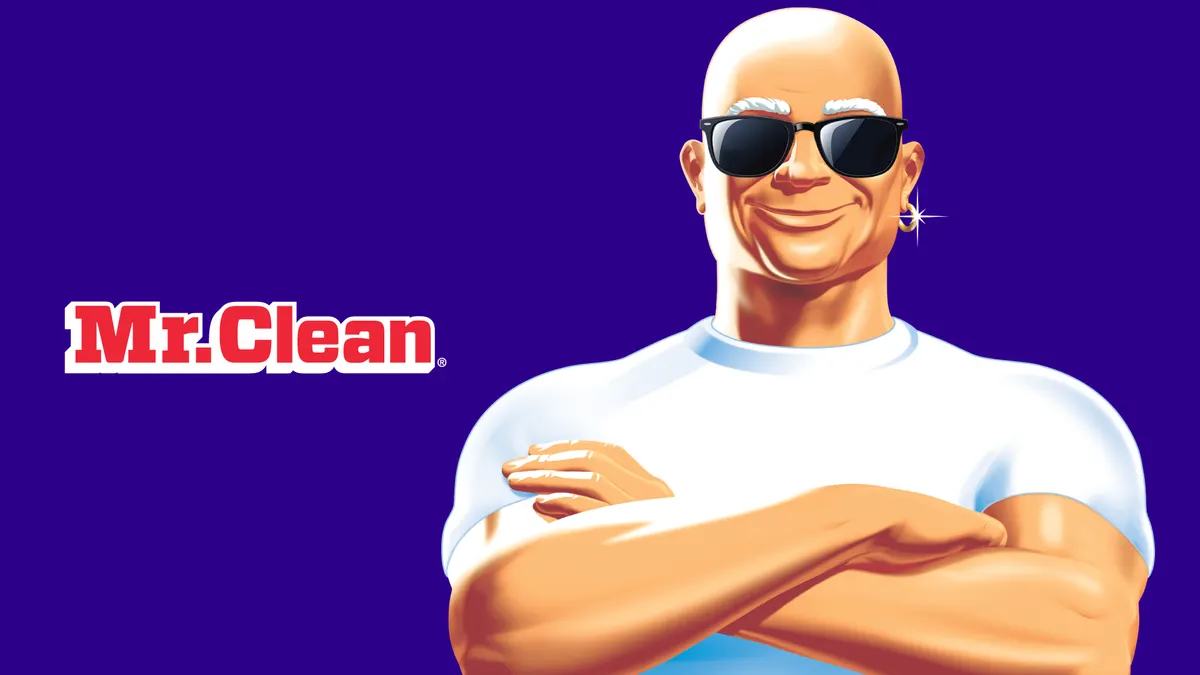
Procter & Gamble brand mascot Mr. Clean caused a stir last month when he announced his retirement on social media via an animated press conference and made it official with a de rigueur Notes App message. Soon, Mr. Clean’s social feeds were full of the mascot — first name, Veritably — pursuing new hobbies, including DJing, cooking and a variety of sports.
Savvy ad-watchers probably could guess what happened next. The brand teamed with Zillow to showcase a Maui manse intended to be a retirement home for a global celebrity who “had a change in plans,” before Mr. Clean unretired on March 4 with new product innovations in tow.
The Mr. Clean retirement and comeback campaign was developed by PGOne, Publicis Groupe’s bespoke Power of One solution for P&G, and created by MSL. It follows several buzzworthy campaigns that hijacked earned media and similar attempts to refresh mascots — not all of which have gone smoothly.
“You want the good buzz, not the bad buzz,” said MSL Chief Consumer Brands Officer Nicole Scull, alluding to Planters’ ill-fated campaign around the death of mascot Mr. Peanut that included a 2020 Super Bowl spot which, coincidentally, featured Mr. Clean.
The effort also comes as brands, especially in the CPG space, are rushing to adopt social-first marketing strategies. But even in support of Mr. Clean’s most significant innovations in more than 20 years, being social-first in the cleaning products category is easier said than done.
“You’ve gotta figure out how to make it seem sexy, appealing and talkable for consumers when cleaning is one of those chores most of us try to avoid,” Scull said. “We wanted to do something as iconic as [Mr. Clean] to launch a bundle that was the biggest thing that P&G had done in a while for this brand.”
A social-first strategy
While “social-first” and “moving at the speed of culture” have quickly become cliches in the marketing world, these forward-looking strategies still require “surgical precision and rigor,” Scull said. The agency team launched the effort on social to build buzz among consumers, and then reached out to traditional newsrooms to demonstrate that the idea had legs. The retirement was eventually covered by publications including The New York Times, USA Today and E! News.
“We had the entire strategy mapped out because we needed to make sure people were in on the joke with us, but not revealing the joke too early. That is a super fine balance,” Scull said. “Those [campaigns] are where you see that likability of a brand turn into advocacy and affinity or brand love, so we wanted to make sure that consumers felt like they were part of the story with us.”
The team integrated creative, strategy, digital and communications functions and worked hand-in-hand with P&G. It also looked to turn moments from the retirement interlude into opportunities to talk about the brand’s new innovations, which include its biggest Magic Eraser upgrade in more than 20 years, a new way to clean showers and tubs and new multipurpose cleaner scents.
“He’s refreshed, he’s reinvigorated,” Scull said of the mascot. “Everything that you’re going to see will have reflections of Mr. Clean’s passions and why he came out of retirement.”
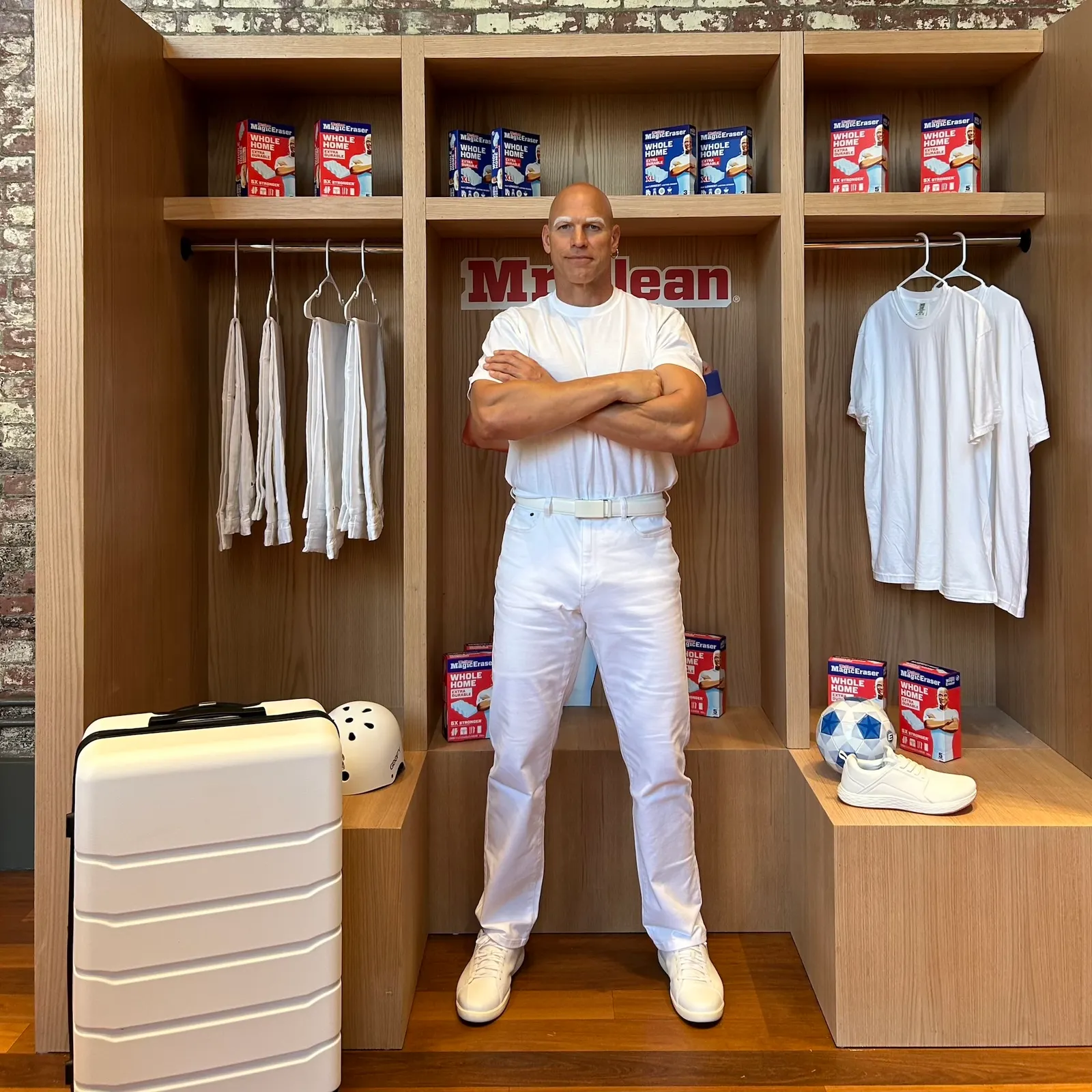
While Mr. Clean remains the strong-and-silent type in social videos about his retirement and return, the character did come to life at an immersive activation in New York for media and creators that included, among other experiences, a sneaker-cleaning station and an opportunity for guests to be hand-drawn with Mr. Clean.
“The more fun you have with that stuff, the more people come into the brand with you,” Scull said of the event. “This is one of those campaigns of a lifetime that you’re so proud of… but it’s not over yet.”