The first half of 2026 has continued the chaotic tenor of the last several years, where each crisis is supplanted by a new one and consumers are bombarded with everything-everywhere-all-at-once developments. The trade war kicked off at the beginning of President Trump’s second term has continued, helping bring consumer sentiment down to record lows this year amid an ongoing Iran war that has caused gas prices and inflation to rise.
The World Cup and America’s 250th birthday have drawn consumer and marketer attention, with the former serving as the latest battleground in the Nike-Adidas rivalry. But both summer tentpoles have been marked by sociopolitical uneasiness: The entire Iranian team was forced to leave the country between matches and a UFC event on the White House lawn culminated with an offensive remark hurled at former first lady Michelle Obama.
Amid this landscape, brands have leaned on what they’ve learned over the past few years about navigating turbulence. They are still trying to stand out and avoid culture war pitfalls while the twin forces of artificial intelligence and M&A reshape the advertising terrain beneath their feet. As fake news, fake feeds and fake AI proliferate, marketers are working to leave a real mark on consumers’ lives.
“Everyone’s trying to figure out how to be honest, but the struggle is that, for certain brands, that’s been a root in their core and in their DNA, and some are having to decide how to do it when sometimes their output hasn't been overtly that,” said David Palmer, an executive creative director at agency Thinkingbox. “Everyone wants this real connection, and they’re grasping at what the honesty is around their brand and how it connects into it.”
In the first half of 2026, brands have doubled down on honesty, whether copping to past mistakes, owning their public perception or pushing back against the rise of AI. Marketing Dive has brought together seven of the best campaigns, which present lessons for marketers of all stripes as they navigate what will surely be more uneasiness ahead.
Anthropic's Super Bowl ad play
As AI remains the biggest story across marketing and the world, arguably no tech company has had a better year so far than Anthropic, the five-year-old firm with a valuation approaching $1 trillion — one that surpasses that of competitor OpenAI.
The Claude chatbot developer scored an early touchdown at the Super Bowl this year, where it outmaneuvered other advertisers on a night when most brands played it safe, helping the company score the Super Clio award for the most creative commercial during the big game.
“They could have done a montage spot with seven different people encountering different versions of AI, but they were restrained in the way they approached it, which at Super Bowl time seems like the antithesis of the way a lot of other people are approaching it,” said Cam Boyd, an executive creative director at agency Thinkingbox.
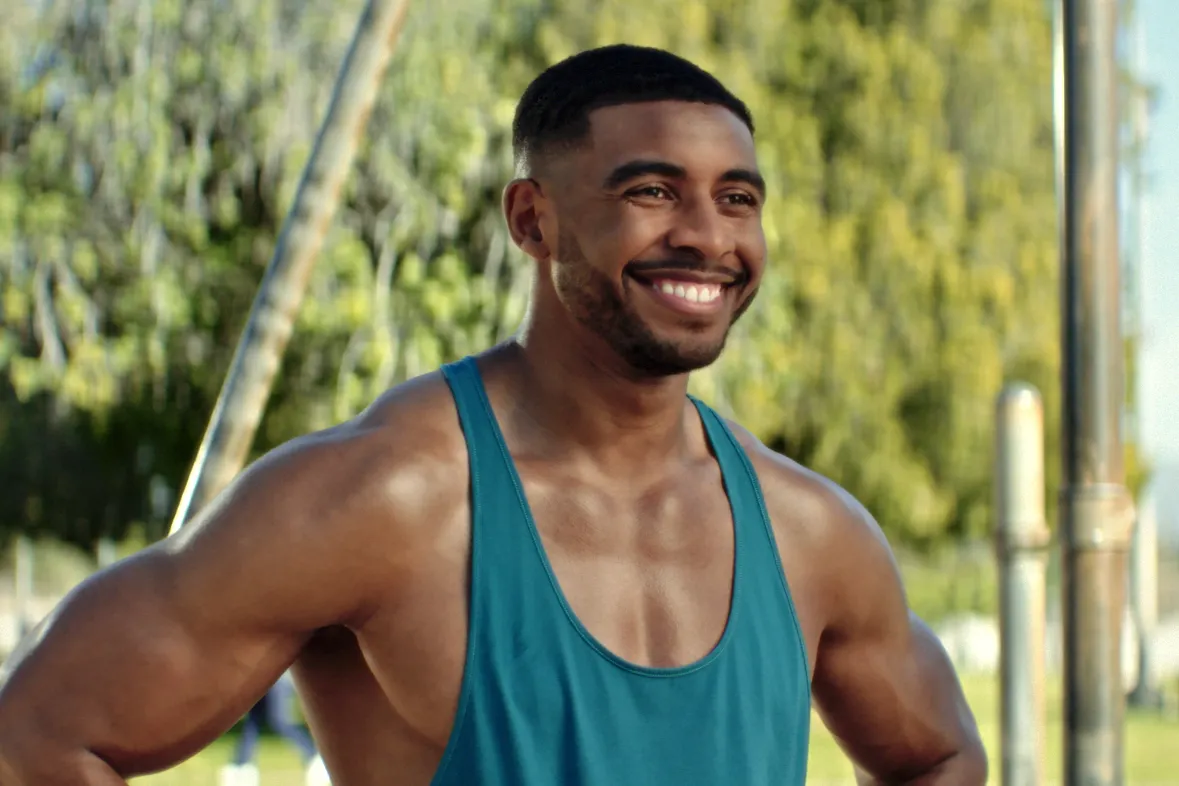
The characters in “Can I get a six pack quickly?” — and other ads in the same campaign from agency Mother — use AI the way most people use it, and the spot shines thanks to a biting sense of humor that tackles the uncanny valley head-on and a competitive angle that positioned Claude against its ad-curious competitors. “Ads are coming to AI,” reads a tagline. “But not to Claude.”
“They’re not hiding the machine,” said Allison Arling-Giorgi, head of brand at agency Method1. “This feels approachable, it feels humorous, it feels like something that’s delighting me and takes down the suspicion and the mistrust and puts it on the same level.”
Coca-Cola campaign celebrates America
Along with the World Cup, the 250th anniversary of the birth of the United States has given brands an opportunity to engage consumers of different demographics around a monocultural moment. But despite the involvement of official sponsors that include major marketers across categories — Anheuser-Busch, General Mills, Kraft Heinz, Starbucks and Target, among them — America’s 250th has proven to be yet another battleground in a politically polarized nation.
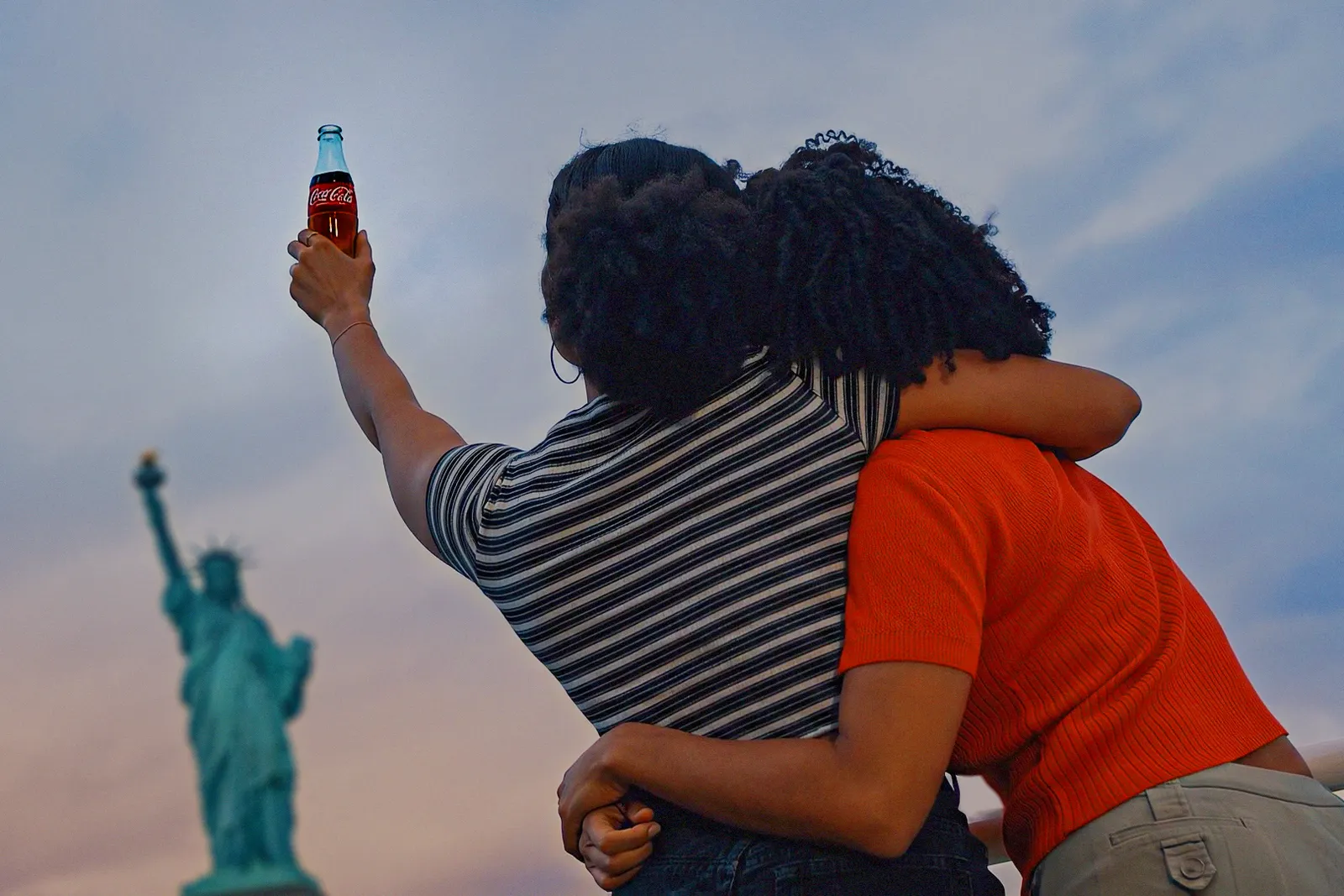
Coca-Cola manages to stay above the fray with its America250 campaign. At the center of the effort — which is being reinforced with an ambitious community impact goal — is a three-minute hero video, “Drink It In America,” that pairs a gospel choir with a healthy dose of Americana.
“As a very patriotic American who doesn’t love the current political climate, but very much loves my country… I thought it did the perfect job of blending the ethos of the American dream with the core tenet principles of what it means to be American, and blending it with a larger vision,” Palmer said of the campaign. “It’s basically like, ‘Hey, America, you’re so diverse, and if you guys can all get your s--- together, you will be a beacon for the rest of the world.’”
In the hero spot, the brand reimagined the “I’d Like to Buy the World a Coke” song from its iconic 1971 “Hilltop” ad as “I’d Like to Buy America a Coke.” While Coke has nodded to this key part of advertising history before, the latest reworking carefully walks the line of nostalgia-washing by speaking to larger consumer concerns.
“They’re not using nostalgia to look backward and to make sure that you have to know what ‘Hilltop’ is — they’re using it as a way to make people feel connected again, and to put it in a place where they’ve always shown the world as it should be, almost as an idealized way of viewing the world,” Arling-Giorgi said.
Burger King fires mascot, evolves brand
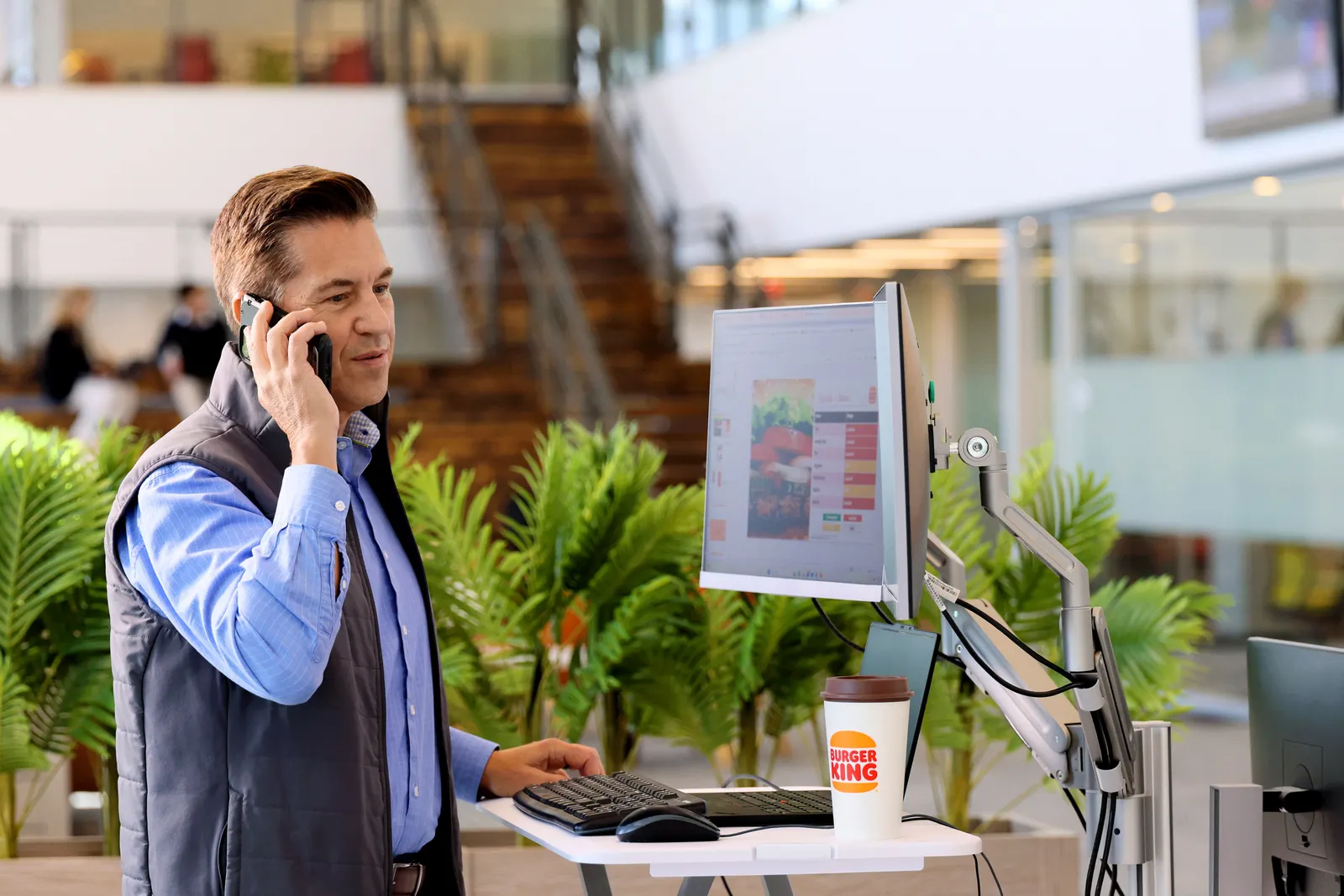
The king is dead, long live the king: a royal proclamation that doubles as a summary of Burger King’s recent campaign, which saw the fast food chain move on from its long-time — and often deemed creepy — mascot to re-center consumers in its marketing. Created with agency of record OKRP, “There’s A New King And It’s You” launched in March with an ad during the Oscars, using the cultural moment to note how “fast food just fell off” and what the brand was doing to get back on track.
Early results of the Restaurant Brands International brand’s marketing efforts as part of its ongoing Reclaim The Flame turnaround plan have been promising. Burger King U.S. comparable sales accelerated 5.8% in Q1 2026, outpacing RBI sales growth of 3.2%, while 97% of franchisees voted to maintain an elevated ad fund contribution level.
“A key highlight this quarter was our direct engagement with guests and the launch of our brand elevation campaign,” RBI CEO Joshua Kobza said on an earnings call. “Overall, this was an exciting quarter for Burger King, and it serves as a strong proof point that our strategy is working.”
That strategy is reminiscent of the one used by Domino’s with its 2010 “Pizza Turnaround” campaign that ran when Burger King President Tom Curtis and RBI Executive Chairman J. Patrick Doyle were executives at the pizza chain. Like the Domino’s campaign, Burger King’s latest effort is a good example of the pratfall effect, Method1’s Arling-Giorgi explained.
“The pratfall effect basically allows you to admit a flaw, and by not trying to hide it, gloss over it or pretend it doesn’t exist, but owning it and responding to it, you can actually really significantly increase people wanting to choose you,” she said.
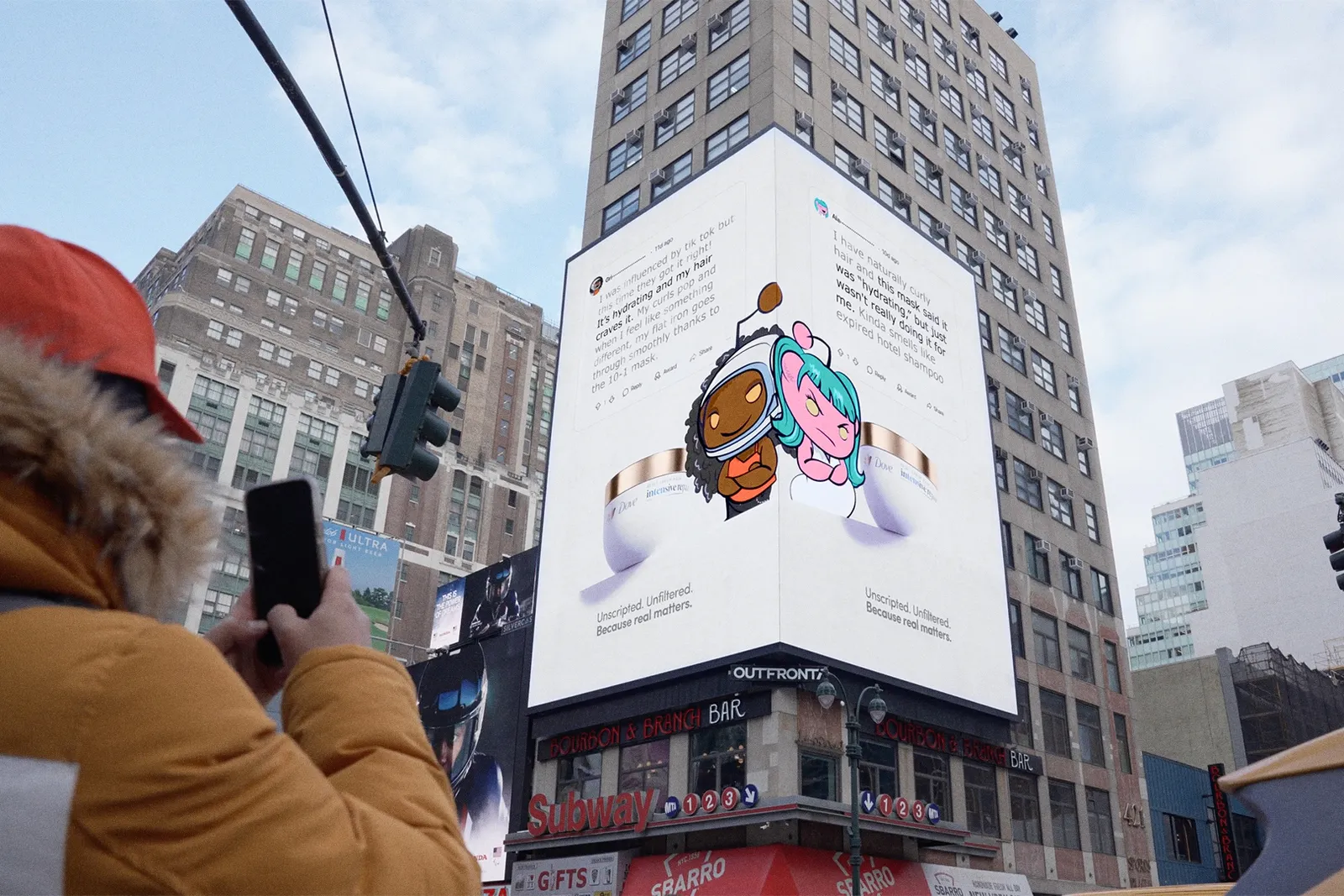
Dove heads to Reddit for campaign
While Unilever’s Dove has often focused on what’s real in consumers’ mirrors and viewfinders, this year’s “Dove r/eal reviews” sought the reality of an online platform known for its unfiltered opinions. Created with David London, AKQA Paris and WPP Media, the campaign turned the first 50 Reddit reviews of its Intensive Repair 10-in-1 Serum Mask into ad creative — no matter what they said. The campaign won six awards at Cannes Lions.
“We took a shot because we had a lot of confidence in the product itself. We’re not going to please everyone, but we will hopefully please a majority of people,” Emily Barfoot, head of Dove U.S., previously told Marketing Dive. “The Redditor community is not brutal for the sake of being brutal. They’re just honest… It pushed us to show up in the way that Redditors want to be spoken to within that environment.”
In a marketing world marked by brand refreshes, relaunches and repositionings, Dove stands apart with its consistency. The Reddit push is an extension of Dove’s “Real Beauty” campaign. which has been the bedrock of the brand’s efforts since it launched in 2004. Along the way, “Real Beauty” helped grow the Unilever label into a brand worth about $8 billion which has delivered more than 6% growth for 14 consecutive quarters.
“Dove, to me, is one of those great brands and a great example of a campaign that’s so clear and has such a sharp point of view, but has enough stretch to iterate over and over and speak to different cultural moments, to speak to humans in different contexts and environments,” Arling-Giorgi said.
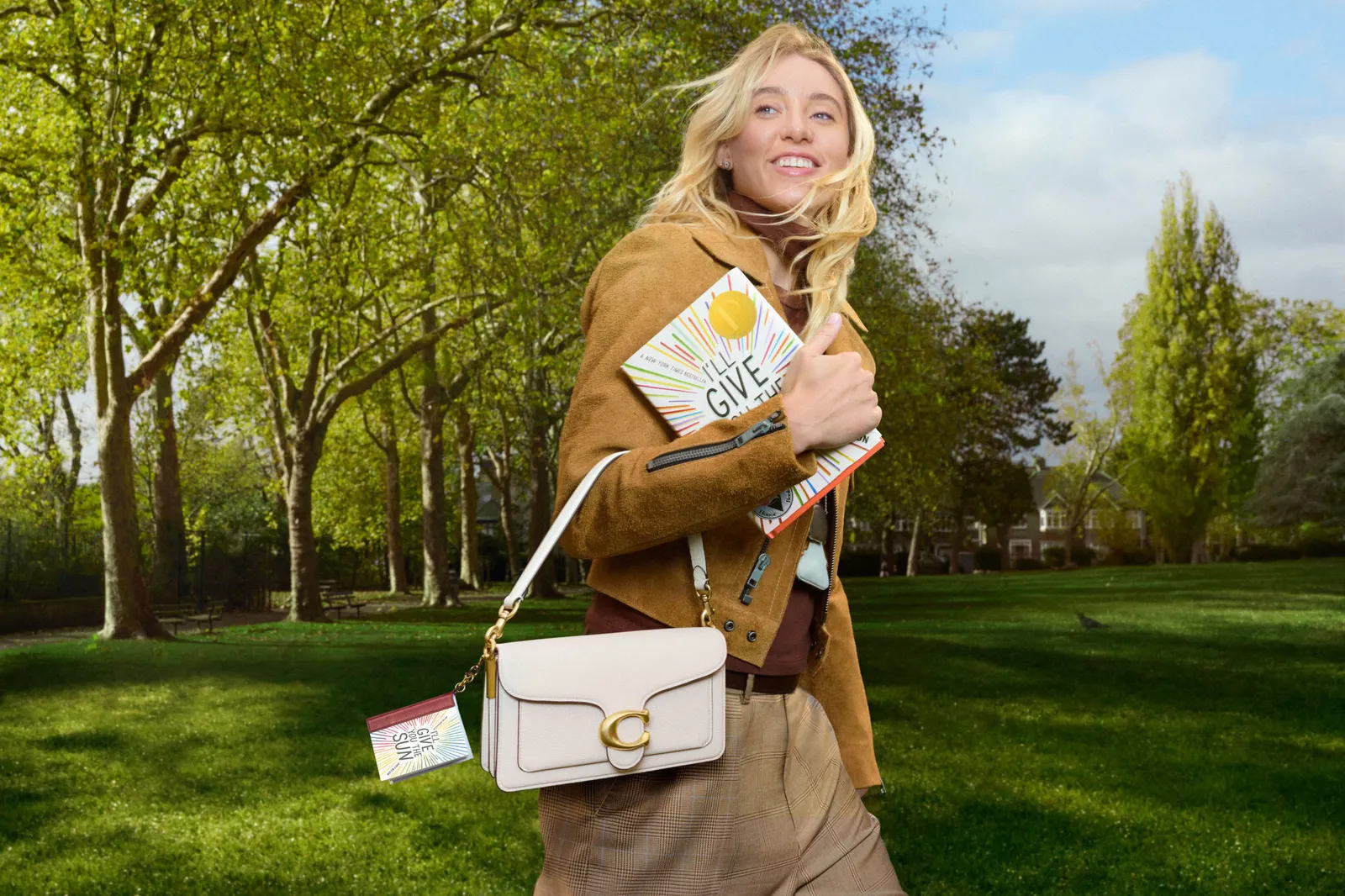
Coach co-creates marketing with Gen Z
In perhaps the year’s most brand-friendly film, “The Devil Wears Prada 2,” Coach is used as a punchline compared to the haute couture of Dior. That’s Hollywood. In the real world, Coach is laughing all the way to the bank: The brand saw 31% revenue growth in its recent fiscal third quarter and is approaching $1 billion annual spend in marketing.
Central to Coach’s efforts in the quarter was “Explore Your Story,” a campaign that helped the brand win its target Gen Z consumer “on all metrics,” said Joanne Crevoiserat, CEO at Coach parent Tapestry, on an earnings call.
The spring campaign, co-created with Gen Z voices and agency Forsman & Bodenfors, focused on the brand’s Tabby bag and introduced a collection of readable book charms. The charms and a pair of campaign videos tap into Gen Z’s interest in books as an antidote to short-form digital content.
“In a world where you have these short-form content kids, they’re hungering for a long-format story, and I think that’s a really interesting pivot that [Coach] made that feels authentic to them,” said Thinkingbox’s Boyd. “They’re trying to leave enough space for individuals to contribute as well, so it’s not just a one-sided conversation.”
Along with content featuring global ambassadors including actor Elle Fanning and basketball star Paige Bueckers, the campaign was supported by partnerships and experiences designed to bring together Gen Z around storytelling and self-expression. In kind, the brand last month introduced a storytelling platform anchored around Gen Z, creators and celebrities called &Coach.
“We believe in the opportunity to cocreate our brand, hand in hand with our consumers,” Coach CMO Joon Silverstein said during a Marketing Dive event in February. “We’re increasingly building Coach that way. It’s so much more powerful when our consumers see themselves in the brand and feel like they are helping to build that brand together with us. I think our spring campaign is a great example.”
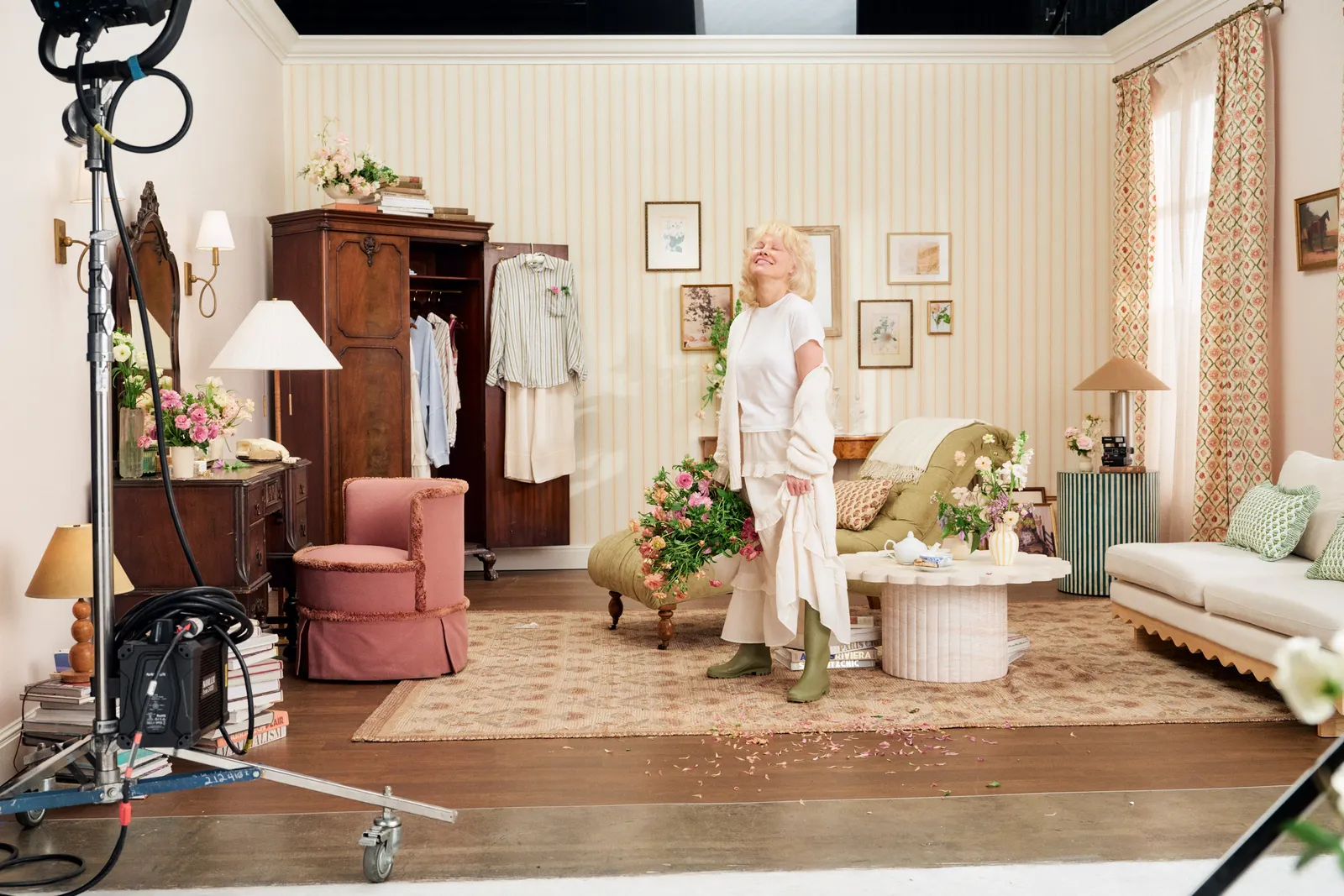
Aerie takes on AI in ads
Dove is not the only brand to make real beauty a centerpiece of its advertising. Similar to the way that the Unilever brand has pledged not to use AI to represent women in ads, American Eagle Outfitters brand Aerie has continued to put inclusivity and authenticity first.
This year, that commitment came to life in an iteration of the brand’s “100% Aerie Real” campaign that pushed back against AI-generated content and starred actor Pamela Anderson.
The effort coincided with an upswing for the brand as Aerie notched record first quarter revenue this year and surpassed $2 billion in revenue on a trailing 12 month basis, with executives naming marketing as a key lever of growth.
“The strong emotional connection we have built with our customer community is driving deeper resonance, relevance, loyalty,” Jennifer Foyle, president and executive creative director at Aerie and American Eagle, said of the company’s marketing on an earnings call.
Along with a spot that sees Anderson challenge the ability of AI to capture true human beauty, the campaign includes partnerships with creators who are committing to the same no-AI promise. Soon after the campaign’s debut, the brand launched a creator program, the Aerie Realmakers Community, that blew past its six-month target within weeks, Foyle said on the call.
“[Aerie] in general does really great creator work that isn’t just with the highest-level macro creators and mega creators: They do stuff that's really varied, reaching different audiences and different levels,” said John Mathieu, vice president and creative director at Pearpop. “Having Pam Anderson be the lead is only going to help them extend that message into the creator space, which I think the best brands are doing.”
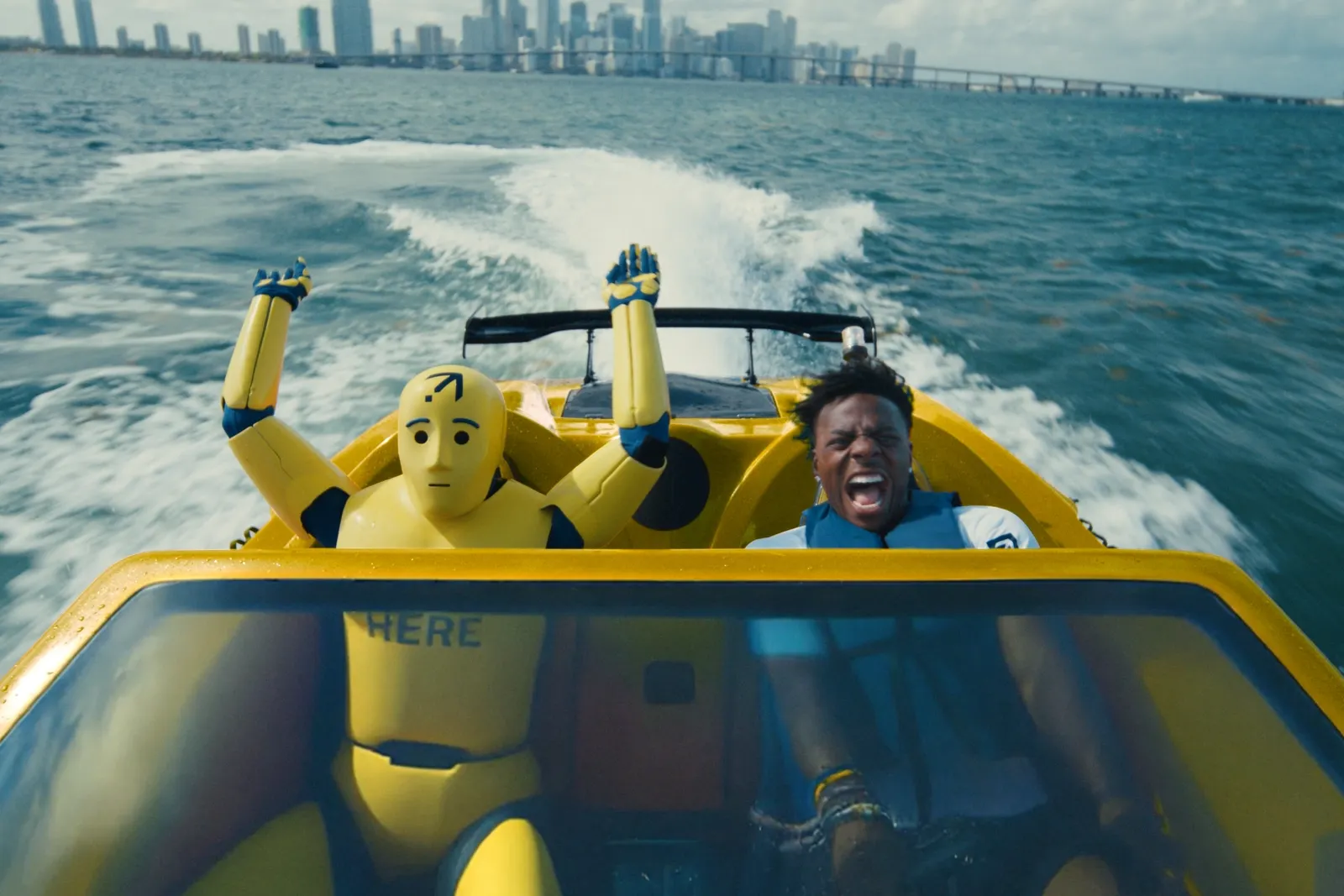
Expedia turns over brand to IShowSpeed
Brands including Coach and Aerie are using creators to reach varied audiences with authentic messages. Expedia is taking a similar approach, but to reach a mass audience of Gen Z consumers, it has partnered with one major creator: streaming star IShowSpeed.
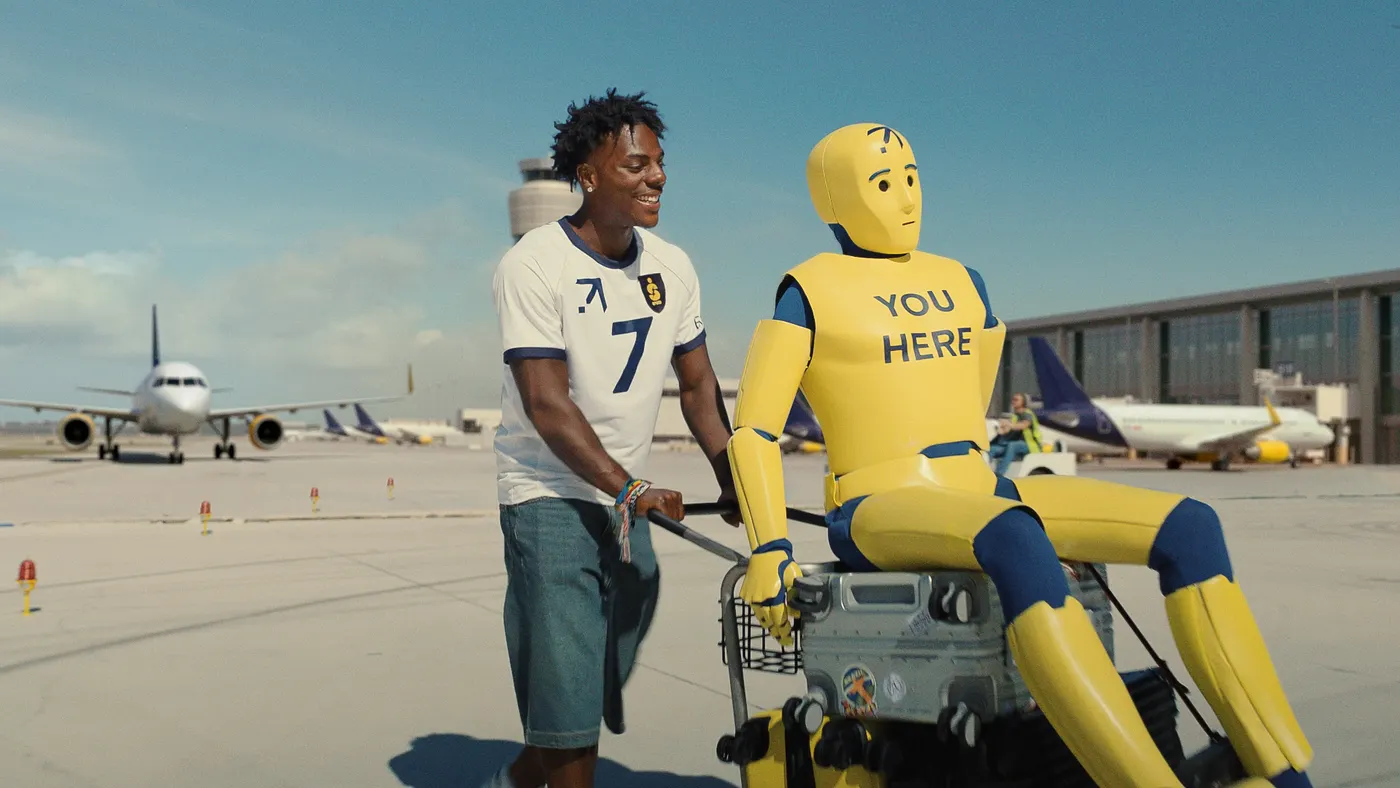
Expedia in April kicked off a multiphase global partnership with IShowSpeed, a creator with 150 million followers who named the brand his official travel partner. The first phase of the campaign included a 12-hour livestream, a branded hub — cleverly named “Exspeedia” — and a sweepstakes. The brand in June extended the campaign with a shoppable travel experience that connected content with commerce.
“It doesn’t feel like he’s promoting Expedia as much as it is enabling him to do his thing,” Thinkingbox’s Boyd said. “I think what they’ve done with their ecosystem is really strong here, in that there is a lot of participation from his fans and there is a purchase mechanic involved.”
The livestream, which followed IShowSpeed as he traveled across five countries in a single day, reached more than 400 million people across social and helped spur sharp surges in search demand for the island destinations he visited — demonstrating the creator’s ability to drive engagement and sales with Gen Z.
“He has a significant impact on all of the economies that he goes to,” Natalie Wills, senior vice president of integrated marketing and creative at Expedia Group, previously told Marketing Dive. “It just shows you how creators are a channel in their own right.”