

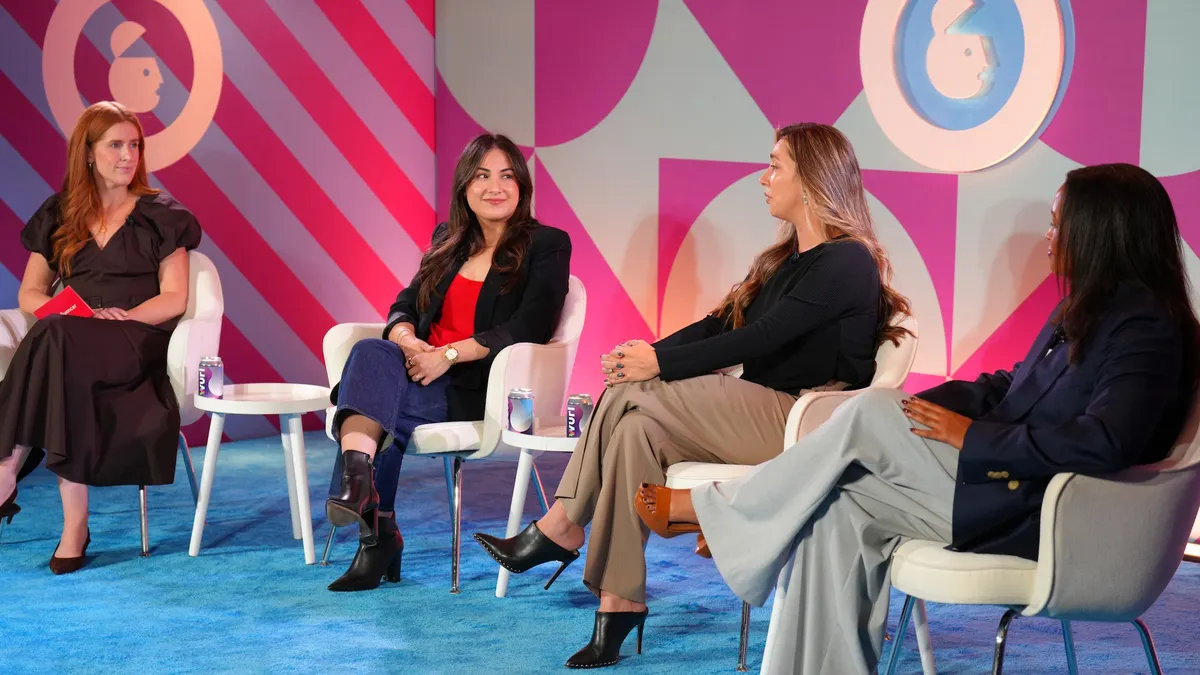
NEW YORK — For a long time, brands treated creators as an add-on to larger marketing efforts, their #sponsored posts serving as a garnish to slick, big-budget campaigns. Increasingly, that equation seems to be flipped, with creators occupying a more central role in informing creative strategy.
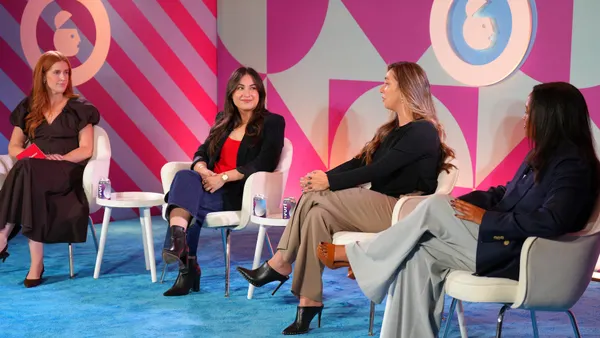
At Advertising Week New York, executives at Chili’s Grill & Bar, The Walt Disney Company and Alaska Airlines detailed how far the creator canvas has broadened in 2026, with more companies striking long-term relationships with online personalities whose postings can propel sales and draw stronger engagement than traditional marketing content. Creator marketing is generally a larger theme at the annual conference, which is expected to see more than double the number of creator delegates than in 2025, organizers have said.
“Influencers are 100% part of every single tentpole [message],” said Luz Bickert, director of social, influencer and integrated campaigns at Chili’s, on a panel Monday moderated by the creator marketing agency Influencer. “All of our influencer content also funnels into paid [media]. Whereas many years ago the paid content was a cutdown of the TV spot during a tentpole, it is now fully creator-led partnership or creative.”
Bickert highlighted a May campaign from Chili’s that brought back the iconic Baby Back Ribs jingle with a cover from pop star Lizzo. The “About Damn Time” singer recreated the tune in a comedic video, but real audience engagement picked up when Chili’s paired Lizzo with creator Keila Pacheco for a mukbang post filmed, with few production frills, in Pacheco’s car.
“That honestly performed so much better than the spot that we spent so much time creating,” said Bickert. “Weaving in creators in every single cultural moment, whether paid or earned, is part of the strategy.”
Creators cross over
Mukbang, a genre where a person gorges on large amounts of food, has become a regular fixture of Chili’s’ social marketing, and Pacheco is the brand’s “showgirl,” to quote Bickert. Chili’s current influencer strategy only started taking shape a few years ago, but has become instrumental to turning menu offerings like the Triple Dipper into viral sensations. Chili’s has become a standout success story in a restaurant category that is otherwise contending with consumers frustrated by inflation and perceived declines in quality.
“[The] Triple Dipper used to be 7% of our overall total Chili's sales. Through influencer partnerships, we've really grown it to be 15% of the category,” said Bickert. “It has totally changed how we think about innovating on the menu as well.”
Other marketers are seeking to strike similarly deep pacts with creators to appeal to a wider swath of thumb-scrolling consumers glued to apps like TikTok and to streamline talent collaborations.
“You find way more budgeting efficiencies by contracting creators long term, and we also find that's how they really want to work with us,” said April Johnson, head of influencer marketing at Alaska Airlines.
For a sprawling media conglomerate like Disney, fostering closer relationships with creators can reap other benefits. Someone initially enlisted to promote a film release might later be deployed to spotlight a seasonal food item at one of Disney’s parks or appear at the company’s D23 fan convention, Nicole Leo, vice president of creator content and partnerships, explained. As with Bickert at Chili’s, Leo pointed to a more notable crossover between creators and Disney’s advertising.
“Now, we're getting closer to like 40-plus percent of our assets in any media campaign are creator-led, which I think five years ago was probably under 10 [percent],” Leo said.
Developing incentives
Disney has recently undergone a corporate restructuring that allows it to share creator ideas between departments in a more unified fashion, Leo said. Still, she was adamant about not simply passing along creator recommendations internally without first asking about business objectives and target audience alignment.
“We customize and tailor everything that we put forward because it's not a one-size-fits-all,” said Leo of creators. “If you're just sharing general lists to everyone, it's never going to feel authentic coming to the creator, and therefore, to their consumer.”
Creators also express an aversion to working off of conventionally structured briefs, a hard pill for some higher-level executives to swallow. The Advertising Week panelists recommended bringing creators into the planning process earlier, which opens the door to more flexibility and an understanding of both the creator’s and the brand’s needs.
“It gives you the ability to figure out what personally and uniquely incentivizes that creator, and then that ends up resulting in typically more content than you even initially planned for,” said Leo.
Marketers have also reshaped some of their marketing services partnerships to capitalize on the creator opportunity. Integrating influencer and media agency teams and combining their reporting can better demonstrate the value of spending on the channel, according to Bickert.
Even as the creator economy matures, measurement remains a complex topic. While brands track KPIs like purchase intent, squishier metrics related to online buzz and sentiment are still closely watched.
“You can pay for views, you can pay for impressions, but people actually wanting to engage with your content, actually wanting to share, is I think what I really strive for,” said Bickert.