

As marketing spend flows into the creator economy, Nestlé wants to bring more rigor and structure to how it converts buzzy social content into paid media. The CPG giant, which owns brands including Nescafé, Coffee Mate and Purina, is deploying an integration from CreatorIQ and CreativeX that identifies creator posts that could perform well as advertising and align with internal ad quality standards, Marketing Dive can share.
The new tool unifies the workflows for creator marketing and paid media by sending submissions from CreatorIQ’s creator management platform to CreativeX via an API. Those submissions are then graded using creative analytics platform CreativeX’s artificial intelligence-powered technology, with scores fed directly into CreatorIQ’s platform to allow for review and optimization by campaign managers before any media dollars are spent. The process is informed by Nestlé’s suitability requirements around branding, storytelling and relevance to address the need for consistency for a sprawling portfolio of thousands of products.
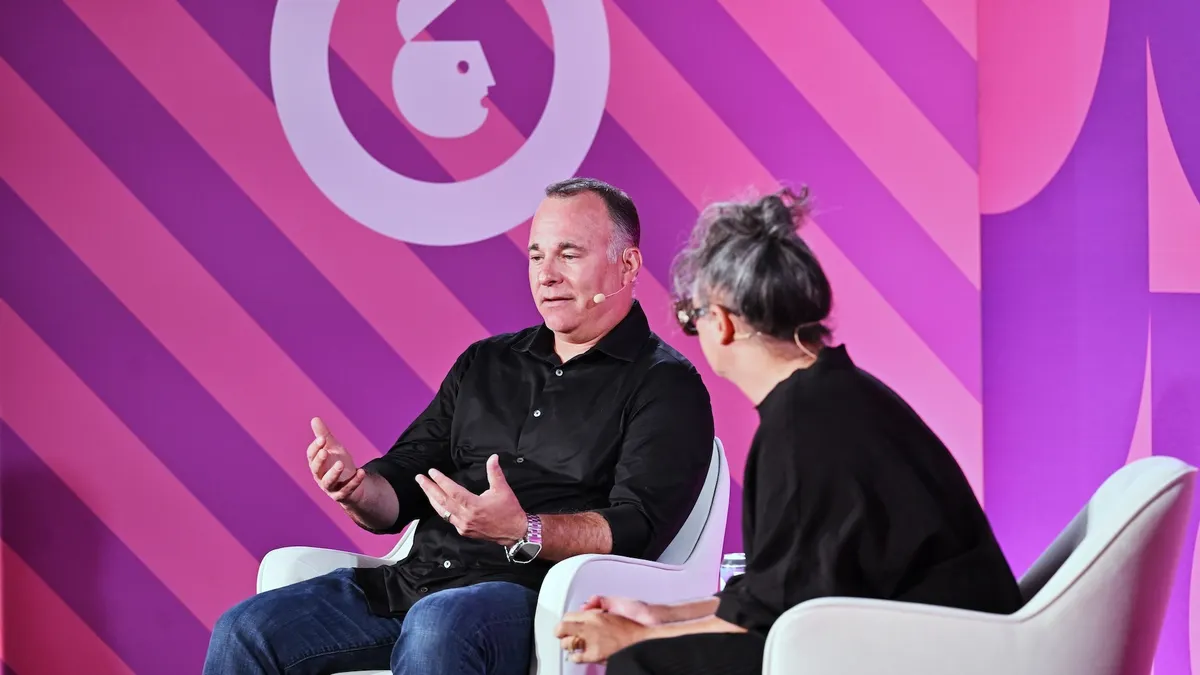
“You are starting to see now the real desire to convert that organic content that inherently performs better in feeds over to the paid ecosystem. What we’re trying to do is really help simplify that,” said Tim Sovay, chief partnerships officer at CreatorIQ.
The launch comes as major CPGs like Nestlé and Unilever shift more budgets historically allotted for traditional digital media into creator-led strategies. Creator ad revenue is forecast to reach $44 billion this year as the tactic evolves from one-off campaigns into a core media channel, according to recent research from the Interactive Advertising Bureau. About two-thirds of the growth in creator budgets now comes directly from paid media, per CreatorIQ’s own analysis.
Even as investments soar and practices are more institutionalized, creator marketing is encountering roadblocks such as a demand for improved measurement, brand suitability and standardization that are common roadblocks for fast-maturing channels. There are a wealth of tools available that pinpoint impactful creator talent, but CreatorIQ and CreativeX — both of which have worked with Nestlé for years — see an opportunity to help brands with complex decision-making around media budgets so they can realize more value, lower risk and speed up production cycles.
“Including creator content in our paid approach means creators need to play within the same framework of paid media advertising, especially when it comes to our standards on creative hygiene and effectiveness,” said Daniele Tundo, head of digital content, social media and influencer marketing at Nestlé, in prepared comments. “This integration allows us to review and score the content created by influencers and creators against our content best practices and basic rules of effectiveness.”
A more structured approach
Some of the leading social media platforms have recognized the merits of turning trending organic content into advertising. Early in its ascent in popularity, TikTok introduced a Spark Ads product for flipping popular brand and creator assets into ads, with rivals soon standing up similar offerings.
In the meantime, social feeds are more frequently surfacing videos to users from accounts they do not follow while the overall volume of content is expanding rapidly, making it difficult for brands to sift through the glut. CreatorIQ and CreativeX’s goal isn’t to turn creator posts into working media en masse, but rather to home in on the “top 1%” of quality output where a paid strategy could become a meaningful amplifier, Sovay explained. The companies also emphasized that creator-led content, even though it performs well as advertising, is not meant to be a catch-all replacement for conventional brand messaging.
“You have that combination of creator and brand ads working together, amplifying a similar message, but having a lot of creative diversity and variety within them — that’s when you really see the campaign performance shoot up,” said CreativeX Founder and CEO Anastasia Leng.
The integration is available to all Nestlé brands at launch, and Tundo noted that creators are occupying a more central place in the marketer’s overall communications and that a structured approach could support further investment in the coming years.
“It is still early days, but we see positive signs that this integration can help us drive better performance for our brands and allow for an integrated picture of how our content is performing,” said Tundo.
For CreativeX and CreatorIQ, they view the new collaborative capability as broadly applicable for the growing list of marketers that are making the social-first pivot.
“We absolutely see potential for this to help every brand maximize the value of their creator investment,” said Leng. “Nestlé was just the kind of vision architect that made this happen.”