KFC is planning a global brand evolution in the coming months that spans menu innovation, restaurant design and a visual refresh, per details shared with Marketing Dive. The move comes as the fried chicken chain, which faces increased competition around its signature menu item, sees an opportunity to reassert itself both in the U.S. and in international markets, the latter of which continue to drive much of the brand’s growth.
“KFC created the fried chicken category, and we really want to write the next chapter for the category, not just for our brand,” said Valerie Kubizniak, global chief marketing officer at KFC. “Our ambition internally is to set that standard for what modern fried chicken QSR looks like.”
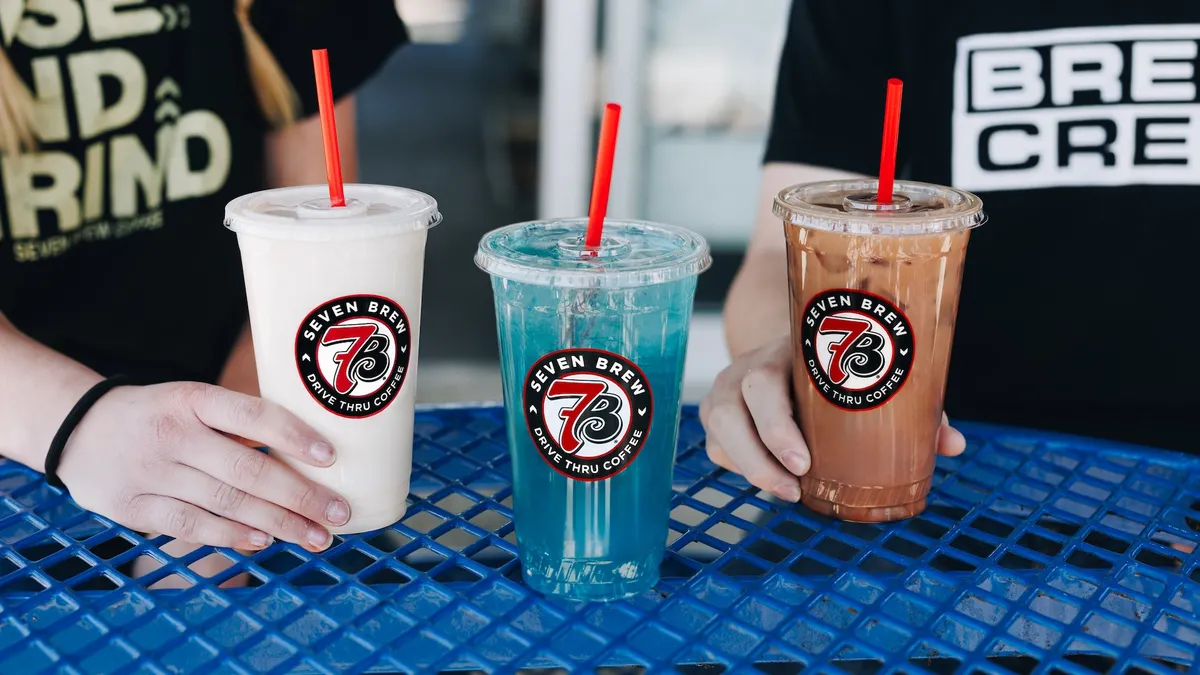
The new strategy revolves around several pillars. KFC is making a renewed push behind tenders as a way to tap into consumer demand for sauces, building on learnings from its Saucy concept. Similarly, the chain will roll out Dunked menu items that drench tenders, wings and sandwiches in sauces. It will also expand its beverage-focused Kwench sub-brand as beverage innovation accelerates across the QSR landscape and experiment with new restaurant designs, including an open-concept store in McKinney, Texas, and a two-story restaurant in Dubai.
“People are eating erratically, people are snacking, structured meal times are really becoming a thing of the past… we want to make sure that we're evolving our menus to deliver against that,” Kubizniak said. “We know that beverages are pretty hot… they allow us to make sure that we are being relevant for younger consumers and tapping into new occasions for the brand.”
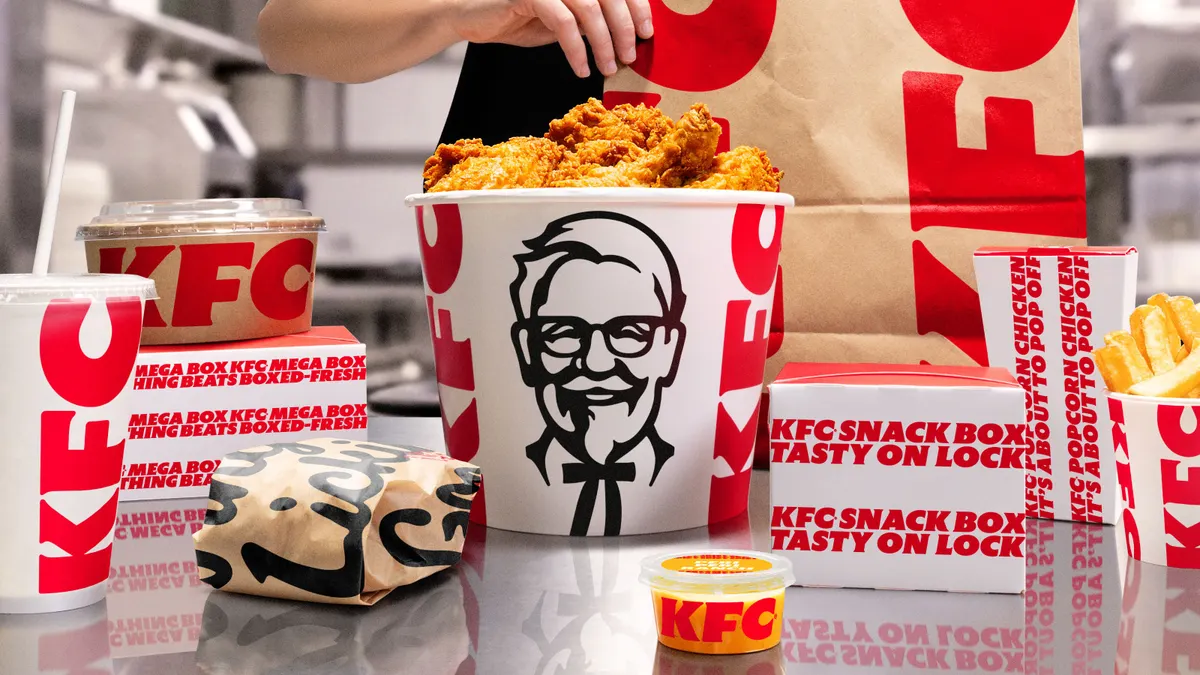
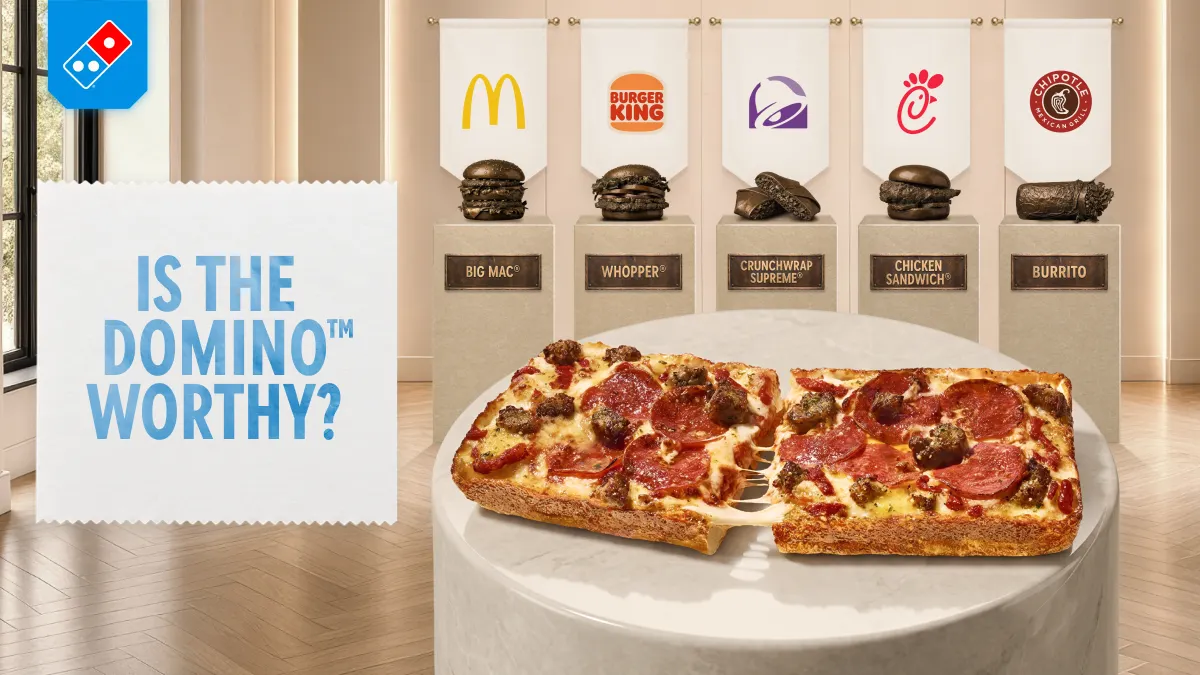
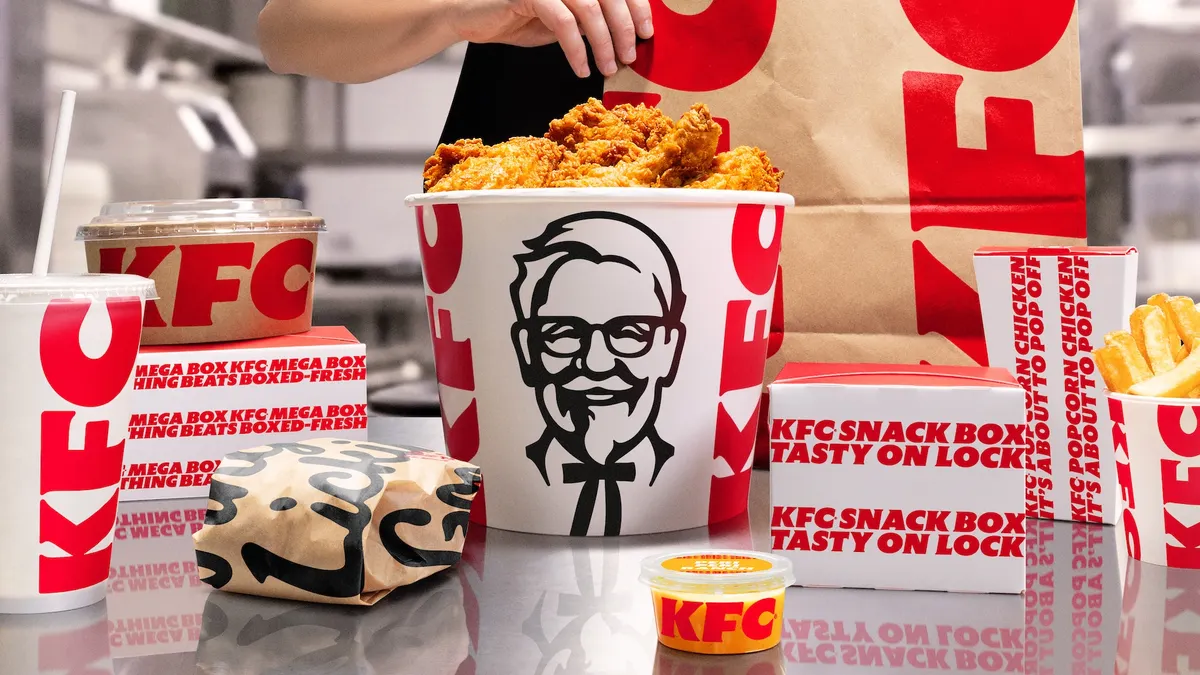
To unite these new developments, KFC will update its branding across packaging, digital platforms, advertising and restaurant environments. The chain’s iconic bucket and Colonel mascot will receive subtle refreshes. KFC’s approach is similar to recent refreshes by brands including Domino’s and Sprite that modernized visual identities without the dramatic overhauls that have landed brands like Jaguar and Cracker Barrel in hot water.
“It's a real business strategy — it's not just a market rebrand. One of the worst things that we can do as marketers is just change our logo and not do anything else,” Kubizniak said. “We have so many distinctive brand assets… so we’re playing with that toolkit and evolving different elements to make sure that we are showing up in a way that feels fresher, bolder and more vibrant.”
Learning from other markets and its portfolio
The brand evolution will roll out in the U.K. and Ireland this month, expanding across Australia, the U.S. and additional markets in the near future. The effort seeks to build on the growth of KFC International, a business that parent Yum! Brands has long described as one of its growth engines. The segment saw acceleration on a two-year same-store sales basis for the last four quarters. At the same time, system sales were down 2% in the U.S., which is now the chain’s third-largest market behind China and Europe.
“The U.S. [KFCs] are in their comeback era, and I think our strategy that we're driving globally is equally applicable in the U.S.,” Kubizniak said. “What's going to be different is the timing. I think they're probably a few years behind where we are [internationally], because I think their starting position is different.”
KFC U.S. has been working to address its declining growth, even before the plans for KFC’s global evolution. The brand last summer put Colonel Sanders back at the forefront of the brand’s marketing in a campaign that served as a mea culpa for its poor performance. The mascot returned in April with a song and music video promoting the chain’s value offerings. The chain also hired former Wingstop chief marketer Melissa Cash as CMO for KFC U.S.
“Our strategy is very consistent across all 151 of our markets. The job of our local marketing teams is finding culturally relevant ways to tell our stories,” Kubizniak said, noting an effort by KFC Australia that pitched honey mustard as “liquid gold.”
Along with sharing learnings across its global footprint, KFC has the advantage of being in a portfolio alongside sister brand Taco Bell and Yum’s in-house consultancy Collider Labs. Taco Bell U.S. has been able to share learnings about partnerships and loyalty, while KFC International provides information about culture in different markets. Meanwhile, Collider Labs serves as a “source of truth” and recently presented a session on Gen Alpha to a gathering of KFC’s global marketing teams, Kubizniak said.
“Our global scale has been a huge advantage,” Kubizniak said. “We have different strengths that we can cross-pollinate, and Collider are the guys in the middle that are providing us with brilliant insights that we're leveraging all the time.”
Correction: A previous version of this article attributed a data point to the wrong category.