Dive Brief:
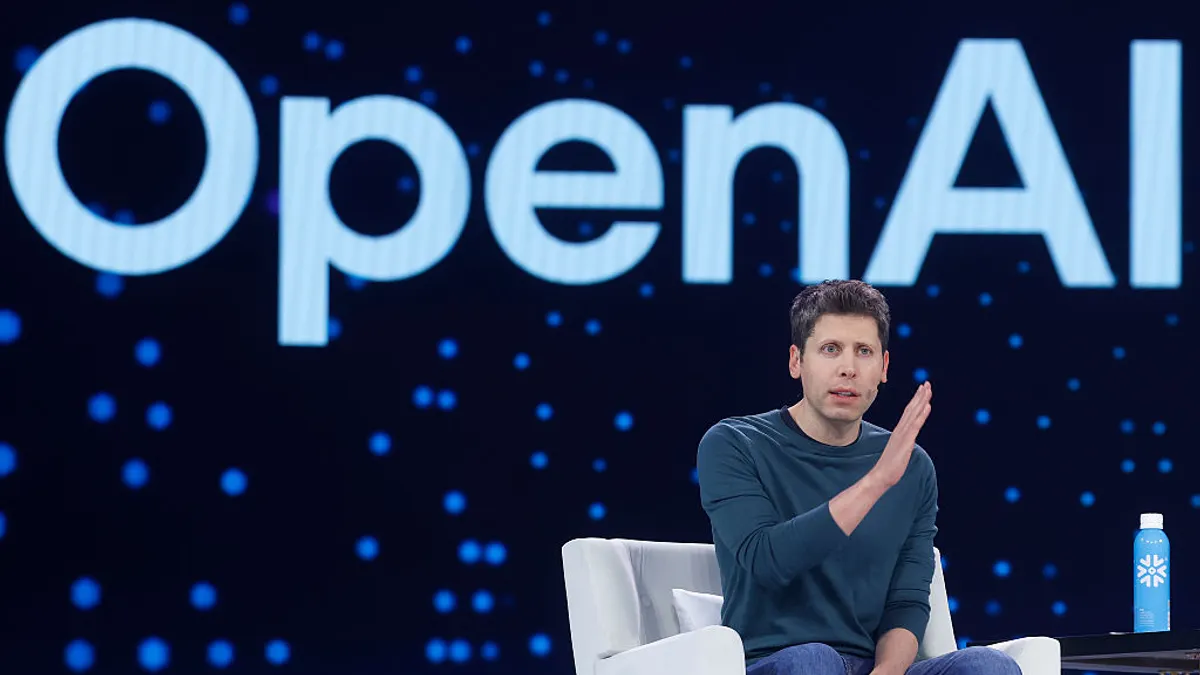
- ChatGPT, the generative artificial intelligence platform owned by OpenAI, is expanding its ads pilot with a beta self-serve Ads Manager for businesses in the U.S., according to a company announcement.
- With Ads Manager, advertisers can set budgets, upload ads, launch and manage campaigns and view performance through a portal. The platform is also introducing cost-per-click bidding and expanded measurement tools.
- Additionally, ChatGPT’s ads pilot, which began in February, will be expanding to the U.K., Mexico, Japan, Brazil and South Korea. OpenAI expects to generate $2.5 billion in ad revenue this year, a lofty goal that comes as the generative AI race intensifies.
Dive Insight:
OpenAI’s ads pilot for ChatGPT is expanding to include a beta self-serve ad manager, a natural next step for the company as it reportedly eyes $100 billion in ad revenue by 2030. Though CEO Sam Altman had previously expressed resistance to advertising on ChatGPT, OpenAI announced in February that it would begin testing ads on the platform. Since then, brands including Target, Albertsons and Williams-Sonoma have participated in the ads pilot program.
With Ads Manager, marketers can register as advertisers, add payment information, set preferences for budgets, bids and pacing, upload ads, launch their campaigns and view performance within a designated portal. OpenAI has already been collaborating with agencies including Dentsu, Omnicom, Publicis and WPP along with technology partners including Adobe, Criteo, Kargo, Pacvue and StackAdapt to offer advertisers access to ChatGPT ads through tools and processes marketers are already familiar with.
OpenAI is also launching cost-per-click bidding to allow advertisers to align their spend more directly with the actions consumers take after they view an ad. CPC bidding joins existing offerings like allowing advertisers to buy ChatGPT ads on a CPM basis, which could help brands understand demand, delivery and early performance and was introduced during the first phase of the ads pilot.
Additionally, OpenAI recently launched Conversions API and pixel-based measurement, allowing advertisers to gain a better understanding of what happens after a consumer engages with an ad, including a purchase, lead or sign-up. The company plans to open its Ads Manager to more businesses on a gradual basis.
The latest moves from OpenAI are a signal of its ambitions around becoming an ad platform. Following the reveal of Ads Manager, the company on May 7 announced that it plans to expand its ads pilot to a handful of other countries in effort to better understand what works well in different regions. In late April, OpenAI updated its privacy policy with explicit language about receiving purchase data from advertisers and sharing user information with marketing partners for third-party ad targeting.
The additional investments into its ads business could provide OpenAI the lift it needs to stay competitive against giants Google and Meta, both of which have seen recent ad revenue growth from their efforts to make generative AI a core focus of business. Google Gemini and Google AI Mode are both expected to outgrow ChatGPT on the user front this year, according to Emarketer forecasts.
While advertisers have largely remained bullish around the ability of AI to drive transformation, a lack of AI literacy among CMOs could prove threatening to their roles. Simultaneously, there is a widening gap between advertisers’ and consumers’ attitudes toward AI in advertising, according to research from the Interactive Advertising Bureau.