

Dive Brief:
- Axe is making a playful jab at its 2000s brand image with a social-first campaign and the return of three limited-time fragrances, according to news shared with Marketing Dive.
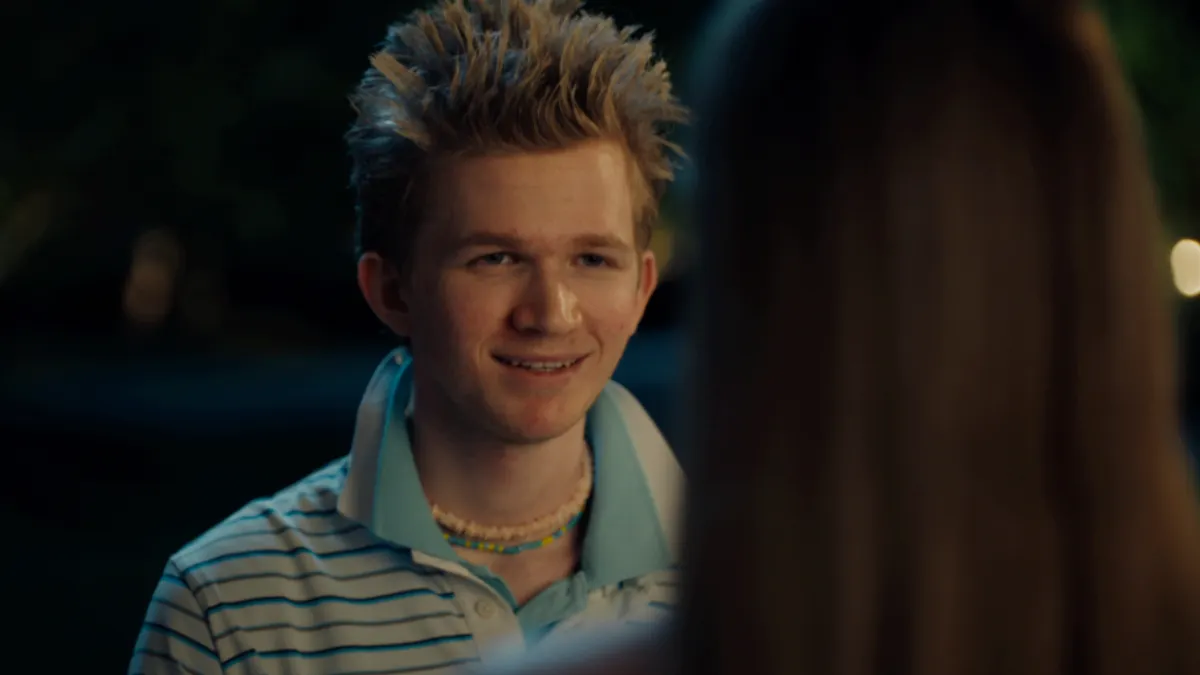
- In a new spot, “Afterdate,” a woman tells her partner that she wishes she’d met him earlier, leading him to transform into a pimply, Y2K-coded version of his younger self. Axe will roll out a second ad extending the message, “Wedding,” later this week.
- The effort uses humor to communicate that Axe and its audience have matured beyond their cringey youth while still leaning into nostalgia. Axe has been working to evolve its product lineup, including through more precise spray cans that do not overwhelm on the scent front.
Dive Insight:
The legacy of the 2000s, when Axe was introduced in the U.S. and quickly became popular with teen boys, has been a hard one to shake for the Unilever-owned personal care brand. Beyond an association with adolescents prone to over-applying body spray, Axe made its mark at the time with sexed-up advertising that frequently showed women magnetically drawn to men wearing its products, a concept embodied in the “Axe Effect.”
Axe’s latest campaign offers a tongue-in-cheek nod to those roots while positioning the brand for a more sophisticated consumer. In “Afterdate,” a sharply dressed man briefly becomes his awkward teen self again, sporting spiked hair, double-popped collars and puka shell necklaces. A closing voice-over states, “You got better. So did we.” The second ad, “Wedding,” depicts a similar scenario on a wedding dance floor.
Creative promotes a trio of returning Axe scents, Kilo, Touch and Anarchy, that feature packaging with Y2K Reboot branding and visuals like a Game Boy-inspired handheld gaming device. The products, which initially launched between 2002 and 2012, are refitted with a more refined spraying technology that Axe started rolling out earlier this year. The collection is a way for Axe to reach “fans who grew up with Axe and never left, while introducing a new generation to the iconic scents that built the brand,” Dolores Assalini, head of Axe U.S., said in a statement.
“It’s heritage, remixed for today — grounded in the confidence and self-expression that have always defined Axe,” Assalini said.
Harking to the early 2000s has become a common tactic among marketers that want to appeal to a sense of nostalgia in Gen Z and younger millennials who grew up during the era. Axe in February ran a campaign, “The History of Overdoing It,” in which a scholar documented instances where men have gone over the top in the past, including when it comes to body spray.
Axe has tried switching up its messaging before. Ads from earlier in the decade reimagined the “Axe Effect” to be more vibrant and inclusive. During the peak of the purpose-driven marketing wave in the 2010s, it tackled thornier topics like toxic masculinity and bullying.
Unilever has expanded its personal care portfolio, last year acquiring the grooming upstart Dr. Squatch, which also predominantly targets men. Dr. Squatch’s viral playbook reads like a throwback in its own way. Some of its most memorable ads feature “Euphoria” actor Sydney Sweeney as she sits in a bubble bath and inhabits the role of a Body Wash Genie responding to men’s desires for grooming products.