

Heftier marketing spend continues to play a key role in Kraft Heinz’s turnaround plan after the CPG giant paused plans to split into two companies earlier this year. Net sales inched up 0.8% in Q1, a sign of “steady progress,” CEO Steve Cahillane said in a press release, though organic sales were down 0.4% for the quarter.
Investments in marketing increased 37% year over year for the three-month period ended March 28, according to prepared comments by Cahillane. Marketing for the full year is expected to be at least 5.5% of company revenue, and executives indicated Kraft Heinz could push harder on this front if the macroeconomic picture ends up better than anticipated. The company has about $600 million set aside in “dry powder” for improving product superiority, pricing, marketing, sales and research and development, the bulk of which will be focused on the U.S.
“In terms of where this money is going, we have been prioritizing our Win Big category, so there is a proportionate amount starting last year that went against sauces, cream cheese, mac and cheese, hydration,” said CFO Andre Maciel in regards to marketing spend during the Q&A portion of the earnings call with analysts.“But the reality is we do have the opportunity to step up marketing across the whole portfolio.”
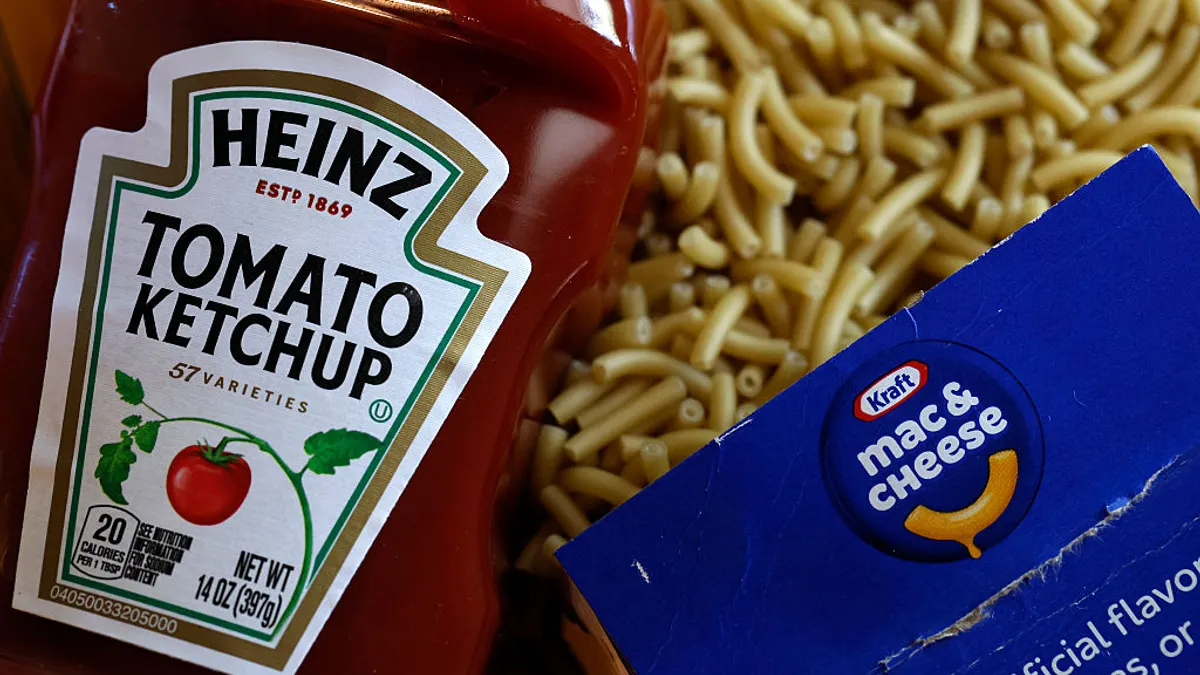
The Heinz and Oscar Meyer owner is touting product innovations that respond to rising consumer health and wellness trends, such as a protein-and-fiber-packed version of Kraft Mac & Cheese, called PowerMac, that debuted in March.
“While it is too early to gauge sell-out performance, distribution has come in very strong, selling into 35,000 stores, and we are ramping up in-store support and media to drive trial and velocities,” said Cahillane.
Other new offerings coming down the pike include Capri Sun Hydrate, a functional sports beverage slotted for Q2, and a lactose-free cream cheese from Philadelphia that is expected to launch later in the year.
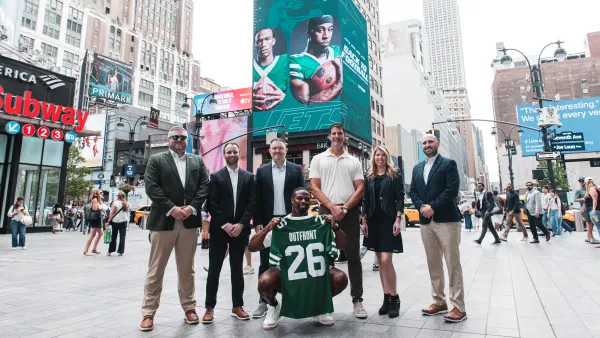
Kraft Heinz is also redirecting more of its spend toward what Cahillane called “higher-return brand media,” as well as narrowing its media partnerships to prioritize those with high impact. For example, Kraft Heinz recently became the first official global condiment partner of the NFL through a five-year pact with the pro football league. Adjustments to Kraft Heinz’s marketing strategy have improved return on ad spend by 8 percentage points globally, per recent data cited by Cahillane.
Kraft Heinz reaffirmed its 2026 outlook, expecting organic net sales to decline between 1.5% and 3.5%, due to market volatility, inflation and sinking consumer confidence. The marketer is trying to shore up its appeal with shoppers feeling the economic pinch, recently cutting prices on some items and introducing smaller packaging sizes.
“Consumers are literally running out of money toward the end of the month,” Cahillane said in an interview with The Wall Street Journal. “Being there with the right offering at the right time has never been more important.”