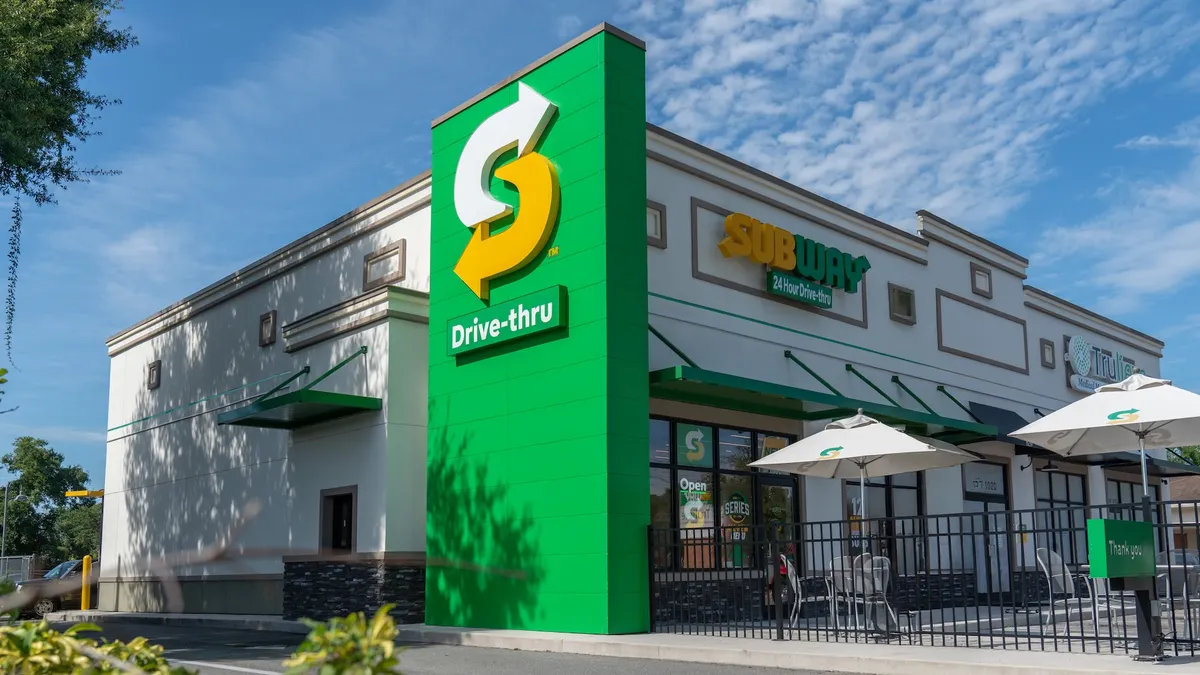
Subway has had a rough ride in recent years. In 2025, total revenue declined over 6% and the chain closed 729 restaurants, according to franchise disclosure documents. The QSR category that it once disrupted is more crowded than ever, giving Subway increased competition from buzzier sandwich brands and health-conscious concepts.
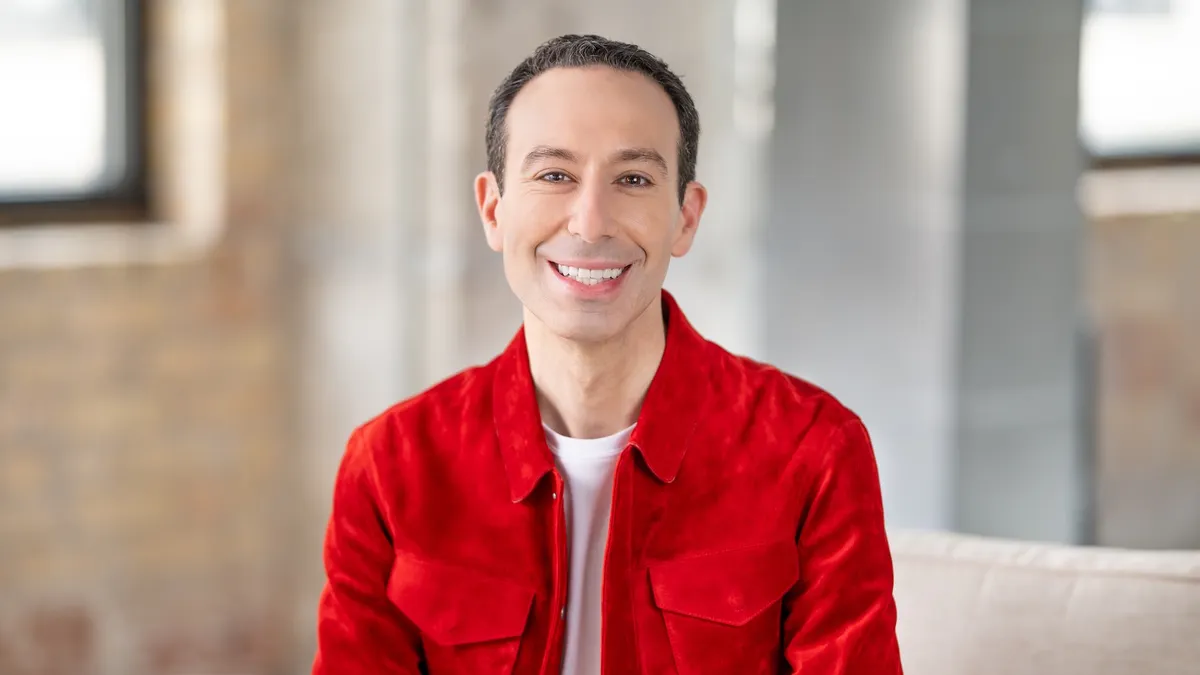
None of this was a surprise to Jeff Klein, who joined Subway in March and was elevated to U.S. CMO after an executive shake-up soon after.
“Subway’s challenges have been well documented,” Klein said. “The challenges are real, which is why we're taking such a big swing now, because I don't think we're going to fully reverse the challenges with incrementalism.”
The executive’s first bet is “Feed Your SUBconscious,” a brand platform that rolled out last week and stars actor Will Arnett as a manifestation of consumers’ inner desires. In a hero spot, Arnett voices dissatisfaction with a range of food options and reminds his doppelgängers of the value of Subway’s fresh, made-to-order sandwiches.
Klein is no stranger to the restaurant industry, having served as CMO at Popeyes and Little Caesars following more than a decade in a variety of marketing roles at PepsiCo. Marketing Dive spoke with the executive about what he’s learned about Subway in a short time and what to expect next from the brand.
The following interview has been edited for clarity and brevity.
MARKETING DIVE: What have you learned about the Subway brand since you joined?
JEFF KLEIN: The biggest thing that we've uncovered since I've been here is the need to refocus on our core guests. Our creative had been a little disparate over the years. We were the original disrupter in the QSR category and I feel like people came in on the other side of us, and that was distracting. When it comes down to it, I don't think our core guest is choosing between us and Sweetgreen. I think they're choosing between us and traditional QSR, which is where we had a lot of success pivoting off of in the past.
One of the things that I've learned over the years is that a lot of marketers will chase shiny objects and go after new guests and new audiences. That's important: You've got to continue to age down your brand and stay relevant, but the core lens has to be on your most valuable guests. It's about focusing the creative back on the core guest. It's about focusing our media back on that audience as well, and certainly there's look-alike media targets and things like that. But that's got to be the center of gravity, and then everything from innovation to partnerships to value constructs needs to go through that lens. You'll catch more fish than you're fishing for doing it that way. The math isn't mathing if you're losing core guests and gaining new ones at the same time — the frequency is tough to overcome.
Where do you see Subway’s place in a QSR market that's more crowded than ever?
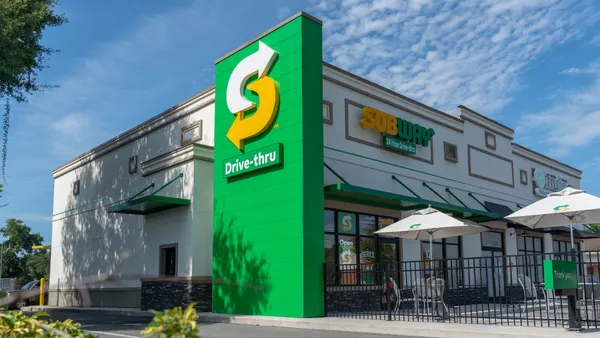
We're a brand that's been flanked on both sides, but what I've realized is there's a lot of space in the middle. It's a big step from Subway to some of the uber-healthy brands or even some of our other competitive sandwich brands when it comes to price. There are a lot of guests out there where value is really important. They don't want to pay $20 for a sub and they're shying away from some of the third-party deliveries because of all the fees. One of our biggest strengths is still our distribution. We're very convenient. We're in every small town in America. We've got close to 19,000 locations, we're good value, and if you haven't tried it in a while, it's really good food.
Value and quality are at the center of the new campaign. How did the pitch from Martin win the day? What role did Will Arnett play in the creative process?
I love the gumption [Martin] had and the conviction behind bringing one idea, and it happened to be an idea that I think just nailed the insight that we're going after in a really creative and memorable way.
Will Arnett was not necessarily part of that pitch. We wanted the idea to work independent of having a celebrity or not, but we thought Will was somebody that could bring it to the next level. He's of course very recognizable. He's somebody that appeals to our core audience and well beyond. That's the type of instant recognition we wanted for Subway.
With somebody with his comedic chops and background, he added a lot to the campaign. When you see the finished product, it wasn't scripted exactly that way. We let him play. There's no point in hiring somebody of his caliber unless you're going to take advantage of those talents. You see a little bit of it in the above-the-line media, but you'll see a lot more of it in the social space.
We hear a lot of marketers describing their campaigns as platforms, but the “subconscious” idea definitely seems like a durable concept that you can iterate on.
The construct was important to us. Each one of those vignettes in the anthem spot is their own separate commercial, focusing on whether it's an LTO or core business or value or whatnot. We're doing another batch [of ads] with Will in the spring, so we're working with him until at least this time next year. But I do think that the idea is modular enough that you could refresh it, whether it's next year or the year after. It's not dependent on the celebrity, although I think the celebrity, particularly in this case, really helped bring it to life.
Along with Martin, you have an integrated agency team with Omnicom that includes UM on media, Omnicom Precision Marketing on CRM and FleishmanHillard on PR. How does that help bring the campaign to life?
It's super new to us still. Honestly, it's not the reason why we went with Martin, but it sure is a nice thing to have everyone in the room, all under one tent. There's a lot of important stuff that goes on below the line, and some of those other digital and social assets will work really hard for us, and the stuff at the top of the funnel makes all those things work harder.
Movie tie-ins are a QSR staple. Over the summer, Subway ran a campaign around the live-action “Moana.” How did that work for you?
Those things have a place, particularly in QSR, where you're always looking for new news. “Moana” worked well for us, but probably was not as focused on our core targets: that blue collar, looking-for-lunch-on-his-lunch-break kind of guy.
I think you'll see the shape of our partnerships change over time. Your partnerships and your innovation shapes who you're targeting as much as your creative and your media. We're working to streamline that as well as we move forward.