NEW YORK — Gen Z remains a key market for advertisers, with the demographic’s global purchasing power expected to hit $12 trillion by 2030. As Gen Z comes into increased consumer power, brands have to figure out how to authentically and successfully engage with a group that has continued to pose a struggle for marketers.
Dating app Hinge and Smirnoff, a Diageo brand, have found success with the elusive demographic by meeting these consumers where they are. Smirnoff tapped into Gen Z humor through its long-running "Go Off" campaign with Troye Sivan. Hinge leaned into the popularity of the romance genre and BookTok with an audiobook that served as the latest iteration of the “No Ordinary Love” campaign.
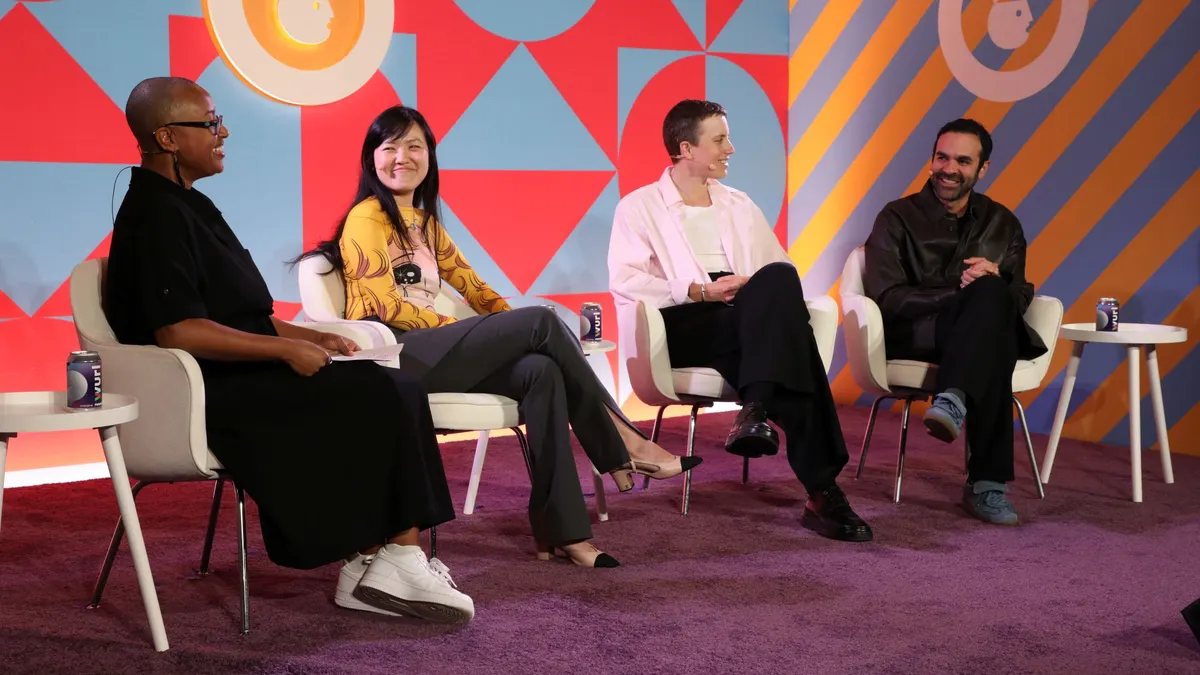
“Make sure that it’s from Gen Z to Gen Z,” said Jose Nicolas Velez, global marketing director at Smirnoff during a Advertising Week New York panel last week. “You have to meet them where they are. Make sure you take calculated risks with what you do.”
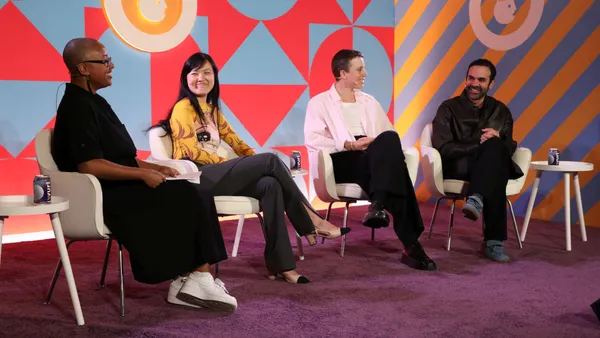
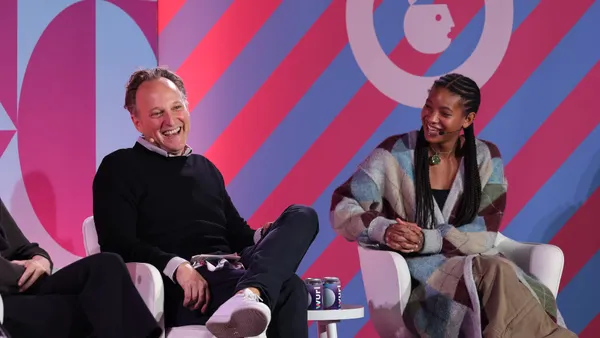
Velez was joined on the panel by Ola Sobiecki, executive creative director at Hinge and Rachel Effendy, executive creative director at Dazed Studios, the agency behind “Go Off” and “No Ordinary Love.”
Delivering on authenticity
For a demographic that is known for its fear of being perceived as “cringe” and posting the most polished versions of themself on social media, Gen Z actually has a desire for authenticity, according to the panelists.
While “Go Off” embraces dry humor, it strives for authenticity. Sivan, who was appointed the brand’s “chief vibes officer” has been actively involved in the creative process, according to Velez. While the campaign had scripted, humorous spots, materials also included an out-of-office message recorded by the musician on his phone, which fans were able to download and use. The result was a campaign that performed very well on social media and gained traction with a demographic that is less likely to drink than their older counterparts.
“There’s a lot of strategy behind it,” said Velez. “In practical terms, humor is super important. And then doing things that are a bit more raw and organic.”
However, that doesn’t mean Gen Z doesn’t want overly-produced content from brands. Visual language is extremely important when it comes to creative aimed at younger generations, but it needs to be done in a way that appeals to them, according to panelists. “No Ordinary Love” is an example of a highly-polished spot that was created with Gen Z in mind.
“We had conversations about, ‘do we move this text two millimeters to the right,’” said Effendy when talking about the Hinge campaign. “I do think there is value in that as well, because I do feel some Gen Zers also appreciate craft.”
Brand meets culture
Both campaigns tackle different parts of Gen Z culture. Hinge, while a dating app, puts getting offline and making real-world connections a central part of its advertising, something young people have increasingly expressed a desire for. “No Ordinary Love” had to strike a balance between being a digital effort with the demographic’s desire for tangible experiences.
“You can see that a lot of our work is getting people offline, getting them the experiences of real dates,” said Sobiecki. The audiobook was launched on Substack, a go-to platform for brands looking to reach Gen Z through raw, long-form storytelling, but can be listened to anywhere. The 2025 version of the campaign featured a limited-edition hardcover of the love stories Hinge posted to the platform.
“Go Off” was Smirnoff’s answer to a challenge facing many alcohol brands when it comes to Gen Z consumers: How do you market to a generation that’s drinking different from previous ones? For Smirnoff, meeting that demographic where it was meant breaking from the traditional format of most alcohol commercials. Instead of a bar, Sivan is shown at an office or a press conference. Gen Z is drinking, according to Velez, they’re just not doing it at bars, but at cafes or festivals. Removing Sivan from the bar setting helped the campaign resonate with its target audience.
Both Hinge and Smirnoff acknowledged that Gen Z socializes differently compared to generations that came before them. Rather than trying to force the culture into a brand-safe mold, they chose to actively participate in it. But, that presents its own set of challenges. Culture is constantly changing, and in order to be successful marketers have to keep up.
“Everything’s going by so fast. You have to be able to adapt and to make sure that you’re there and that you understand their behaviors,” said Velez. “Don’t be boring.”