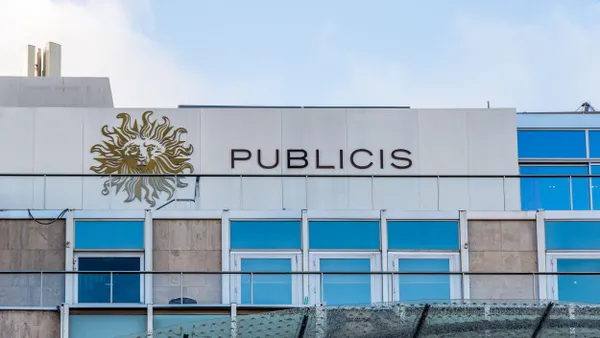


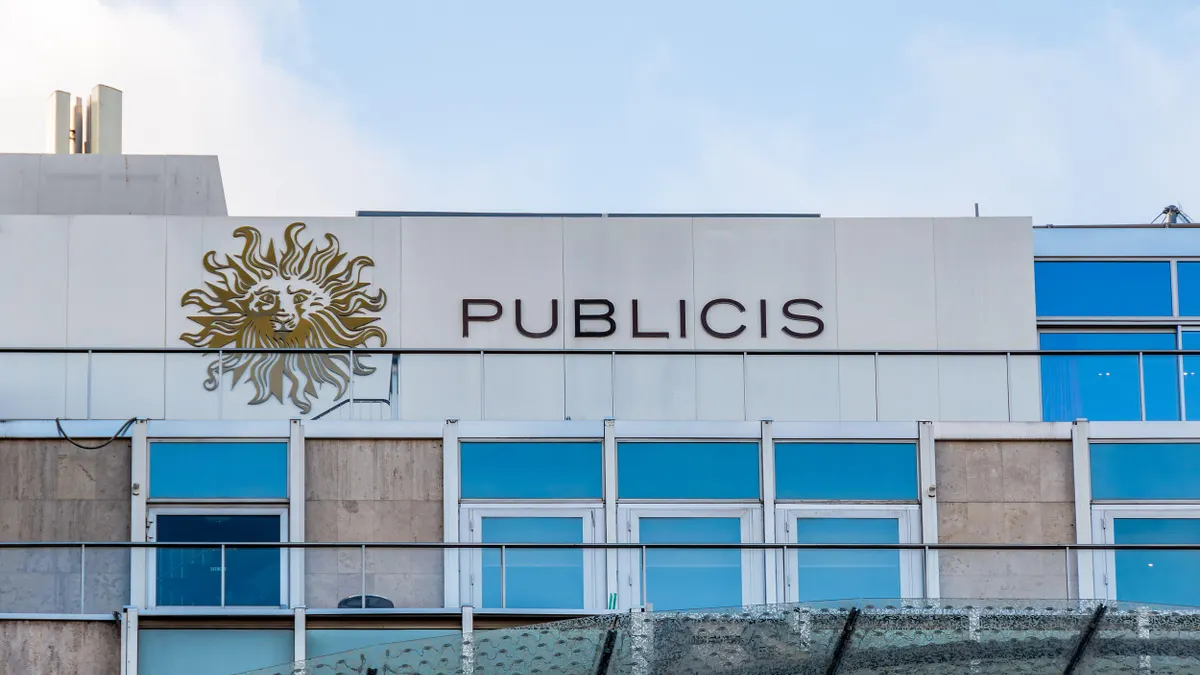
Publicis Groupe saw organic net revenue rise 4.5% year over year in Q1, marking the ad-holding group’s 20th consecutive quarter of growth, according to an earnings statement. The company reaffirmed its full-year guidance of 4% to 5% growth despite ongoing conflict in the Middle East, a region that makes up a low single-digit percentage of the network’s business.
The Iran war’s biggest impacts so far have been on capital expenditures tied to large-scale transformation projects and clouding overall client visibility, executives said. But, similar to the outbreak of the Ukraine war in 2022 and other market-rattling developments in recent years, advertisers have gotten more accustomed to staying the course in the face of disruption. Separate analyses have indicated the longer-term effects of the war on global ad spending could be dire if it is not resolved quickly.
“[Clients] know that if they cut marketing spend, they will lose market share that would be very expensive and very difficult to win back, and this is why we have not seen any significant reduction in marketing budget in Q1,” said Publicis CEO Arthur Sadoun on a call discussing the results with analysts Tuesday. Sadoun added that demand increased for artificial intelligence-powered services during the quarter.
Publicis has continued to add major accounts to its roster, last week scoring the global media business of Microsoft while striking a deeper partnership around AI. The Microsoft deal, which was won without a pitch, is still too early days to discuss in detail, per Sadoun, but it is a key piece of Publicis’ efforts to build a leading agentic AI platform among agencies.
Total U.S. media billings for Publicis rose 21% to $34 billion following other significant wins, including from Coca-Cola and Mars last year. Even as it extends its growth streak, Publicis is changing how it reports some of its financials to allow for more like-for-like comparisons with industry peers, namely Omnicom, which now lays claim as the world’s largest marketing services provider following its acquisition of Interpublic Group last fall.
Sadoun in November dinged Omnicom for not breaking out net revenue and instead focusing on gross revenue, a criticism that has been echoed by other agency executives. Moving forward, Publicis will break out both net and gross revenue. Omnicom has said it won’t share quarterly organic growth this year as it works through integrating IPG.
Omnicom isn’t the only target that has landed in Publicis’ crosshairs. The Epsilon owner last month recommended that clients not use The Trade Desk after the demand-side platform allegedly failed a third-party audit. The Trade Desk has fiercely pushed back against the claims, which have set off a wider discussion around media transparency, but Sadoun defended the move and argued that Publicis does not offer a direct competitor to the DSP.
“The only thing we have done and that we will always do is that we have informed our clients of the filing as we believe it is our responsibility, and it is our responsibility,” said Sadoun. “The rest is just noise created by the press.”
The CEO was also asked about the surprise shutdown of OpenAI’s Sora, an AI video-generation app that delivered a blow to Publicis’ stock price when it launched. Some skepticism has risen over whether agency-led AI platforms can compete with hyperscalers, but Sadoun described Sora’s shuttering as “quite symbolic.”
“Hopefully, the market should recognize it because it fully confirms what we have been saying all along and that we are continuing to say, is that consumer adoption is moving faster than enterprise adoption,” said Sadoun. “Clients actually don't want gimmicky solutions, but they really want enterprise-grade solutions to operate within their own environment.”