The sense of a stable middle ground will continue to erode across several aspects of marketing in 2026. Studies indicate the middle class is thinning, altering important consumer milestones. Monoculture is also on the wane as people spend more time engaged with algorithms hypertailored to their interests.
On the industry front, marketing services are gravitating toward two polarities in the wake of historic consolidation: White-glove models and plug-and-play ones built around artificial intelligence. Feeling some of the most pain from these developments are the employees who make the industry hum but are facing a grim job market.
“There has been a rampant uptick in the past few years of putting the focus on shareholder value,” said Dustin Black, executive creative director at Preston Spire. “Culturally, the difference between decision-makers and makers has never been greater.”
The advancement of generative AI could encourage mediocrity — “slop” was deemed a 2025 word of the year for a reason — but also benefit marketers moving against the grain. To grab attention, brands may embrace messaging that is deliberately button-pushing or bold.
“A lot of the output is trending toward the median,” said Taryn Crouthers, CEO of Spcshp, about AI in marketing. “It’s about pulling against the median because all of the content is merging to look very, very similar.”
Others could step up investment in emergent channels to reach audiences with growing economic influence, including Gen Alpha. There will be no shortage of stages to test these tactics, with a Super Bowl, Olympics and FIFA World Cup on deck. Below, Marketing Dive shares nine predictions for an industry at a point of contraction and displaying mixed feelings about its future.
Agencies experience foundational shifts
Omnicom’s acquisition of Interpublic Group signals more agency consolidation coming down the pike, experts say. As rumors swirl around additional breakups and sell-offs, a new chapter is on the horizon for ad-holding groups.
“It’s absolutely signifying a shift towards media and technology scale as key foundational elements for what the legacy holding companies will reorganize around,” said Jay Pattisall, vice president and principal analyst at Forrester, of the Omnicom-IPG deal.
Dealmaking activity could be enabled by further interest rate cuts and a light-touch regulatory environment. Other agencies may broker richer strategic partnerships: For example, Publicis kicked off 2026 by striking a pact with LiveRamp, underpinning the significance of data in the AI arms race, Ad Age reported.
Massive layoffs and the death of iconic creative shops — not to mention the likelihood of future cost-cutting measures — have been painful but also mean that an army of talent is seeking its next venture.
“You might see a lot of these former executives trying to start their own firms playing to the more niche side of the marketplace,” said Paul Hardart, a clinical professor at New York University’s Stern School of Business.
Independents meanwhile may pursue different routes to expansion. ZMC-backed Wpromote’s purchase of Giant Spoon in late 2025 speaks to the role private equity is playing in the formation of “big indies” that could appeal to deep-pocketed brands.
“Not tomorrow, not next month, but in the not-so-distant future, there are going to be more options for enterprise marketers to choose from as a result of the private-equity investments in what we historically call independent digital agencies,” said Pattisall.
Generative AI blurs the lines of authenticity
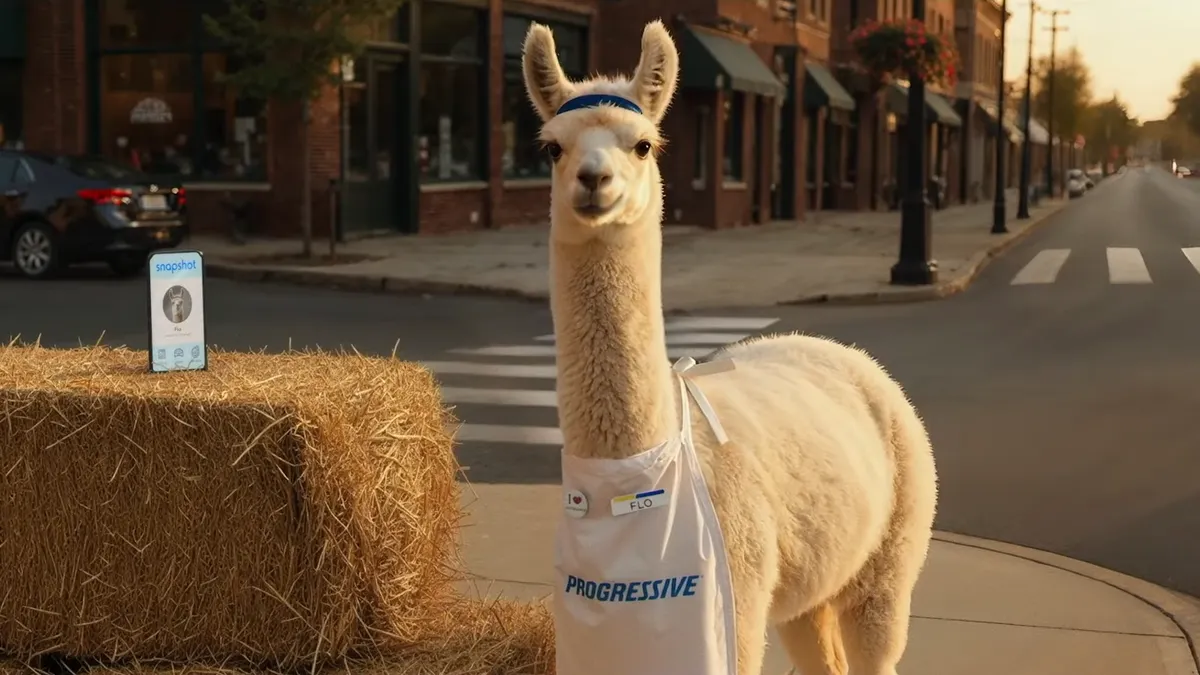
Brands will further push the limits of AI-generated creative in 2026, with football’s big night acting as a key litmus test. Svedka already announced it will run a Super Bowl spot made with AI, but the spirits maker won’t be the only advertiser putting on an AI showcase.
“I would say, more likely than not, 50% of all Super Bowl spots we watch this year will utilize generative AI in some facet,” said Chris Neff, chief AI officer at Anomaly, noting that those applications could be in pre-production and not immediately apparent on screen.
While the AI content spigot is flowing, marketers will explore different messaging avenues. Brands, including Equinox and Dollar Shave Club, have recently launched campaigns that prod at the backlash to AI slop while still leveraging generative AI tools. However, many continue to underestimate strong consumer aversion.
“Rushing into anything — over doing things to that extent — is a mistake,” said Sean Cassidy, CEO of PR firm DKC. “One thing that humans seem to still possess...is a pretty good B.S. detector.”
Trepidation around AI extends into other areas, even as the technology becomes institutionalized at brands and agencies. Artificially inflated engagement may create a negative feedback loop for advertisers that are only investing more in social and digital, contributing to the Dead Internet Theory.
“The bot traffic is going to increase. Is that going to make the metrics even better? Is that going to be the catalyst for this vicious cycle for it to get worse and worse and worse?” said Neff. “It's very hard to know exactly what’s real and not.”
“[Brands are] playing checkers, and data companies are playing chess.”

Bill Bruno
CEO of Celebrus
Data: less collecting, more connecting
Advertisers, agencies and other stakeholders have spent years shoring up their land grabs in the data-driven marketing ecosystem to fuel developments like programmatic advertising and help gird against the shift from identifiers like third-party cookies. That rush for data will continue to intensify amid the rise and operationalization of AI-driven advertising, giving marketers a chance to learn and apply the lessons of previous eras.
Data transparency and ownership will be key as AI complicates challenges that marketers already face around ad visibility and efficacy, especially amid the rise of zero-click search and AI-powered bots and agents that could muddy measurement waters.
“You've got a lot of brands… that are basically using terms like ‘AI readiness’ that don't know what they need or what they're going to do, necessarily,” explained Bill Bruno, CEO of data firm Celebrus. “I don't think a lot of people are thinking two or three steps ahead right now. They're playing checkers, and data companies are playing chess.”
To have a better handle on data, marketers can shift focus from collecting data to connecting it via tools like consumer data platforms and data fabric environments that give a more unified view of consumers, several experts said. That can help marketers focus on exactly what they need, rather than getting washed away in a flood of data.
“My clients who have been most successful are focusing on marketing-specific use-case data readiness,” said Nicole Greene, vice president, analyst at Gartner. “Do we really know what our customers want? Can we safeguard the data that they have entrusted us with, and as a result, can we do marketing and advertising better?”
"I don’t think being more authentic necessarily has to mean scantily clad women... It’s more being true to what the company and what the audience is."
Adam Singer
Vice president of marketing at AdQuick
Bold creative cuts through blandification
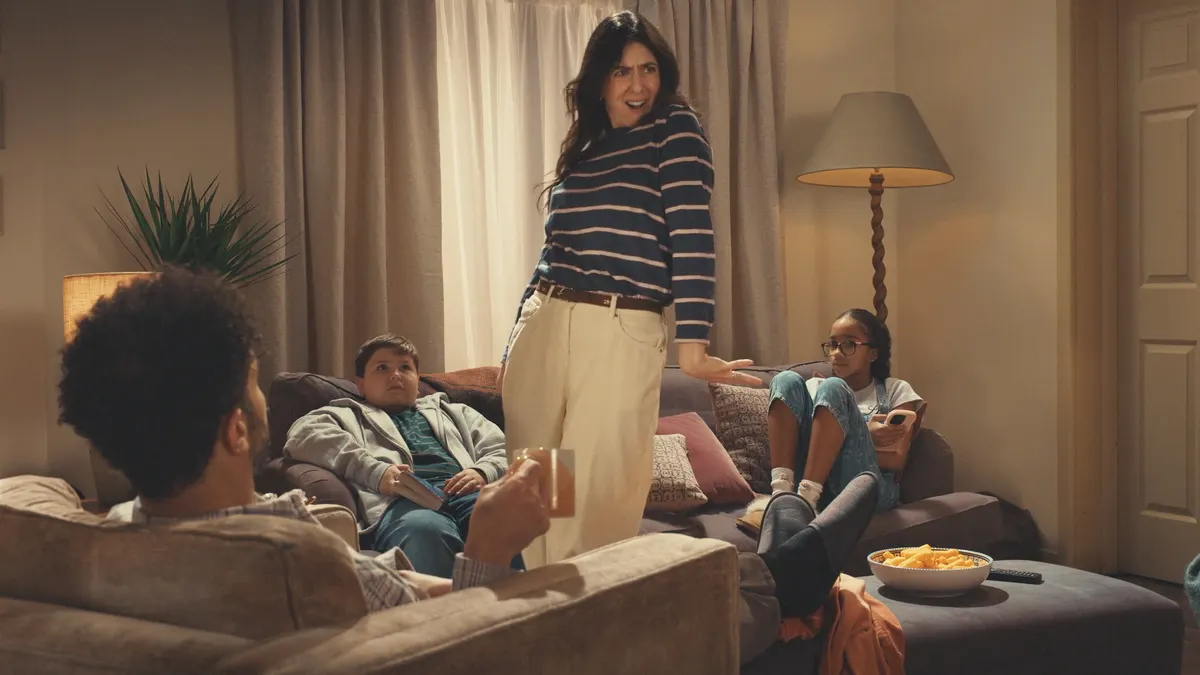
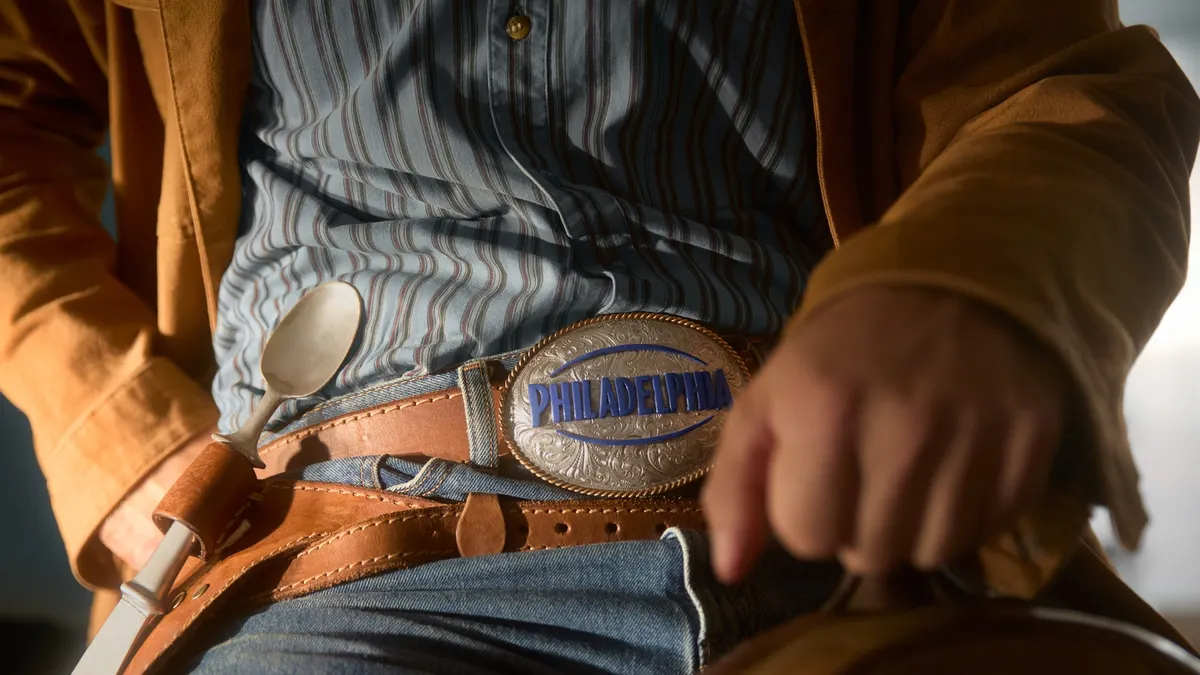
Some of last year’s boldest advertising featured good jeans, spicy plumbers, the best car to have sex in and a full bush summer. Similarly edgy ad creative could return to the fore as marketers look to break through in an increasingly fragmented and frantic media landscape.
While those campaigns relied on — and often parodied — “sex sells” tropes, their success speaks more to their ability to break through an ad landscape that has grown increasingly stale and bland, even before the rise of AI, said Adam Singer, vice president of marketing at AdQuick.
“Companies have become really risk averse. I think consumers are really thirsty for brands to do things that are interesting,” Singer said.
However, being bold doesn’t mean that brands must turn back the clock and revive aesthetics and attitudes that have largely fallen by the cultural wayside.
“I don't think being more authentic necessarily has to mean scantily clad women or even necessarily really attractive celebrities, although celebrities definitely push product,” Singer said. “It's more being true to what the company and what the audience is.”
Marketers can bring this type of authenticity to life in several ways, from emotional messages to simply portraying their products with beautiful photography and videography — as long as the company is authentic to its core values. Last year’s Cracker Barrel rebrand fiasco is an example of what not to do.
“Everyone tried to make that a political thing and say it was ‘woke,’ but I don't think that's really what was going on,” Singer said. “We've seen companies flattening everything, making everything a little bit more boring, and people are tired of that. They want brands to do big, bold things.”
Vulnerabilities appear for ad-tech power players
Marketers should prepare for further consolidation in an ad-tech industry that has reached maturity but continues to evolve alongside technological change.
“At different areas in the ecosystem, there is a consolidation of the media activation between DSPs and SSPs — most of them are starting to compete with each other and not just partner with each other anymore,” said Mathieu Roche, CEO of identity firm ID5.
In the DSP space, Amazon and Walmart continue to develop their offerings, while Microsoft’s sunsetting of Xandr provided a boost to Amazon via a transition partnership. Some brands have looked to test different sell-side workflows, including marketplace deals and guaranteed programmatic buys, especially as more connected TV inventory comes on board, said LiveRamp’s Travis Clinger.
Consolidation could benefit brands and publishers as it reduces fees and the costs of operating, but the reduction of consumer choice has caused the space to face antitrust issues. Google is expected to learn the fate of its ad-tech antitrust case this year, and while it appears that it will not face more dramatic structural remedies, any decision could cause a surge in ad-tech M&A, explained Evelyn Mitchell-Wolf, a senior analyst at Forrester.
“Google's competitors aren't going to let an opportunity pass them by to take advantage of any weakening of Google's position in the ad tech market,” Mitchell-Wolf said. “I do anticipate the rest of the ad tech market trying to shore up their offerings, just to prepare and posture themselves to have the maximally enticing place to land for any advertisers or publishers that take a look at what Google is offering on the tail end of this.”
Gen Alpha solidifies its place in marketer playbooks
Though the oldest members of Gen Alpha will be turning only 16 in 2026, the generation is already making waves. The cohort already wields $28 billion in direct spending power, and its influence can be seen within the marketing strategies of brands ranging from Lowe’s to Hi-Chew. In 2026, advertiser interest in Gen Alpha, or those born between 2010 and 2024, will become more concrete, according to GWI Chief Operating Officer Misha Williams.
“Thinking about [Gen Alpha] in terms of an afterthought or a demographic not to be considered when you are shaping your brand positioning … is a mistake,” said Williams.
While the older end of Gen Alpha is beginning to make purchases for themselves, the cohort holds significant sway over purchases made by their parents and has already established awareness for hundreds of brands. The group is also being raised in the age of social media algorithms and AI, priming them to expect deeper personalization from brands compared to previous generations, Williams explained.
“With access to information, people become more aware of what they like, what they don’t like,” Williams said. “So when you’re talking about Gen Alpha and the fact that they’re so young, a critical mistake is to treat them as such.”
Brands targeting Gen Alpha should expect media consumption behavior that’s even more fragmented than their Gen Z predecessors, Williams said. The cohort is also more inclined to lean on their social connections to validate whether or not a brand or product aligns with their lifestyle, making it critical for marketers to find an authentic value proposition.
“What you’re putting in front of them, from an advertising and marketing perspective, must be authentic,” Williams said. “It has to resonate with them contextually.”
"It’s not like marketing was ever an easy job. It just became even more difficult."
Dipanjan Chatterjee
Vice president and principal analyst at Forrester
Surging creator investment emphasizes growing pains
Social media and creator-led marketing surged in 2025 as giants like PepsiCo and Unilever evolved how they work with agencies and dramatically boosted their investments, a signal of the growing role both channels play in shaping culture. Interest is expected to grow in 2026, with creator ad spend in the U.S. forecast to climb 18% year over year, per the IAB. The bet is a signal that marketers have begun to value community over reach, according to Movers+Shakers Chief Creative Officer Geoffrey Goldberg.
Brands will likely direct much of their budgets to smaller creators this year, Goldberg forecasts, noting that AI could help streamline the process by helping marketers scale content volume and better understand target audiences. However, category interest is bound to emphasize growing pains. For example, a rise in AI content on social feeds will likely pressure creators to strengthen their creative muscles to cut through the noise.
“Already, the amplification of content and the different styles of content has upped so much because of AI … there’s a lot more people in the playing field,” Goldberg said. “The algorithms are still prioritizing great content, it’s prioritizing that over followers.”
A surge in content could see both social media teams and consumers faced with burnout as more brands opt for always-on strategies. Broadly, as social media becomes a more foundational aspect of marketers’ playbooks, concerns around a lack of measurement standardization will only grow, a challenge Goldberg recommends brands approach by prioritizing metrics that prove engagement.
“In order for [social] to really be their operating system, we need to be really clear on how we measure success and there’s no singular, clear metric,” Goldberg said.
Marketers score big with micro sports
Sports marketing will be a major avenue for marketers looking to reach consumers in an increasingly fractured advertising landscape in 2026. Major events such as the FIFA World Cup and 2026 Winter Olympic Games will deliver captive linear TV audiences while emerging sports and leagues create avenues for marketers to connect with more niche, but growing, consumer groups.
“One of the things we're seeing is a really incredible momentum behind a lot of small, micro leagues from a familiarity perspective. They’re not super well known yet, but of the people who are aware of them, they have just incredible momentum. They're personally relevant, culturally relevant. They're really sort of poised to take off,” said Jennifer Musil, global president of research at The Harris Poll.
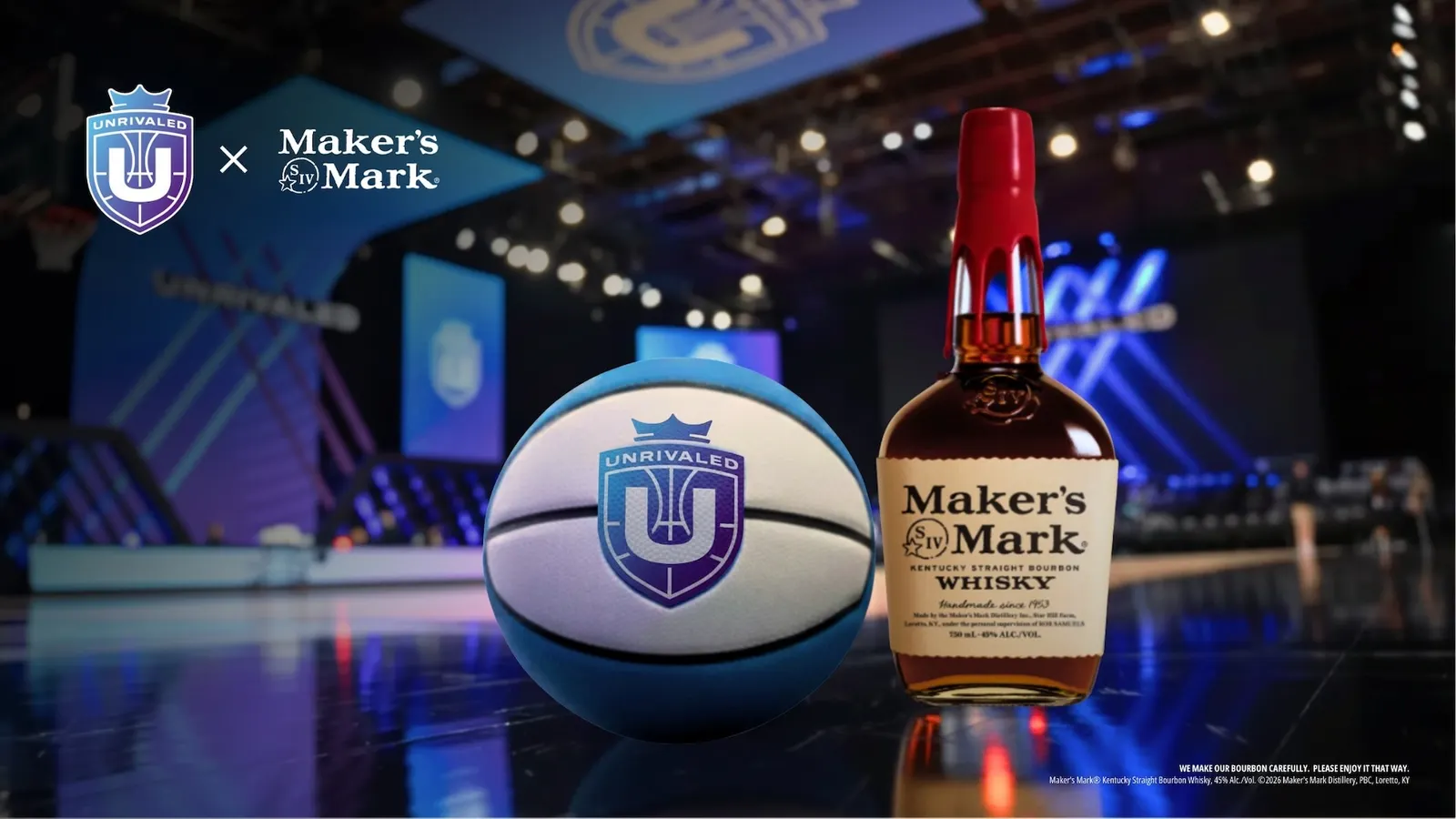
Women’s sports will continue to gain momentum in 2026, especially as more niche sports and leagues become more popular. For example, upstart women’s basketball league Unrivaled signed Maker’s Mark, a Beam Suntory Brand, as its first-ever official spirits partner in December. Women’s sports leagues give small and large brands alike an opportunity to get in early as audiences continue to grow.
“Seven of the top 10 leagues in the last data set we looked at from a momentum perspective, are female leagues. So women's sports still has a ton of momentum behind it. It's not done growing yet,” said Musil.
Tariffs will continue to be costly
Tariffs chaos and confusion will not be left behind in 2025, but will continue to cause issues for marketers and consumers alike in 2026. Economic concerns, such as increased cost of living and inflation, may only exacerbate the issue.
While the advertising industry has remained remarkably resilient in the face of tariffs and global ad revenue is expected to climb 8.8% in 2026, the Trump administration’s approach to international trade is expected to still create stress for adland. The on-and-off-again nature of tariffs and the steady rise in prices of imported goods makes it difficult for consumers to create and stick to a budget, which may translate to less discretionary spending.
“CMOs are marketing to the end consumer. What is going on with tariffs is exceptionally chaotic because it makes it impossible for consumers to be able to plan their own budgets…because there is complete turbulence as it relates to tariffs," said Mike Proulx, vice president, research director, Forrester.
Ultimately, marketers will have to adapt their strategies to better handle uncertainty. This could mean shorter campaigns and quicker turnaround times and an increased focus on value. As consumers tighten their purse strings, putting an emphasis on value and deals could help mitigate some of the chaos of the current economic landscape. This was already a major focus for advertisers in 2025 and could continue to be a viable strategy for 2026.
“Over the last couple of years, marketers have gotten used to planning in an environment of considerable volatility. In reality, you can't plan for anything, yet you have to plan,” said Dipanjan Chatterjee, vice president, principal analyst, Forrester. “It's not like marketing was ever an easy job. It just became even more difficult.”